







Top Tricycle Motor Bike Manufacturers for Global Buyers?
Choosing the right Tricycle Motor Bike manufacturer takes more than comparing prices. Global buyers must examine load capacity, engine performance, frame construction, parts access, and after-sales support. A vehicle that looks sturdy in a product photo may behave differently on a steep road with a full cargo bed. Small details matter: weld consistency, brake feel, tire availability, and clear maintenance instructions.
Quality expert W. Edwards Deming is often credited with the principle, “Quality is everyone’s responsibility.” For buyers, that means checking how a manufacturer manages design, production, inspection, and service—not just the final price. Ask for model specifications, production details, warranty terms, and references from comparable customers. Where possible, review a sample vehicle or arrange an independent inspection. Paperwork helps, but it cannot replace a careful look at the machine.
This guide compares manufacturers through practical buying criteria, including product range, customization, production capability, and communication. It also considers a common weakness in supplier research: polished websites can hide gaps in parts support or delivery planning. No single ranking fits every buyer. A farm operator, urban delivery business, and distributor may need very different configurations. Use the comparisons as a starting point, then verify claims directly with each manufacturer before making a purchasing decision.
What Is a Tricycle Motor Bike and Who Buys It?
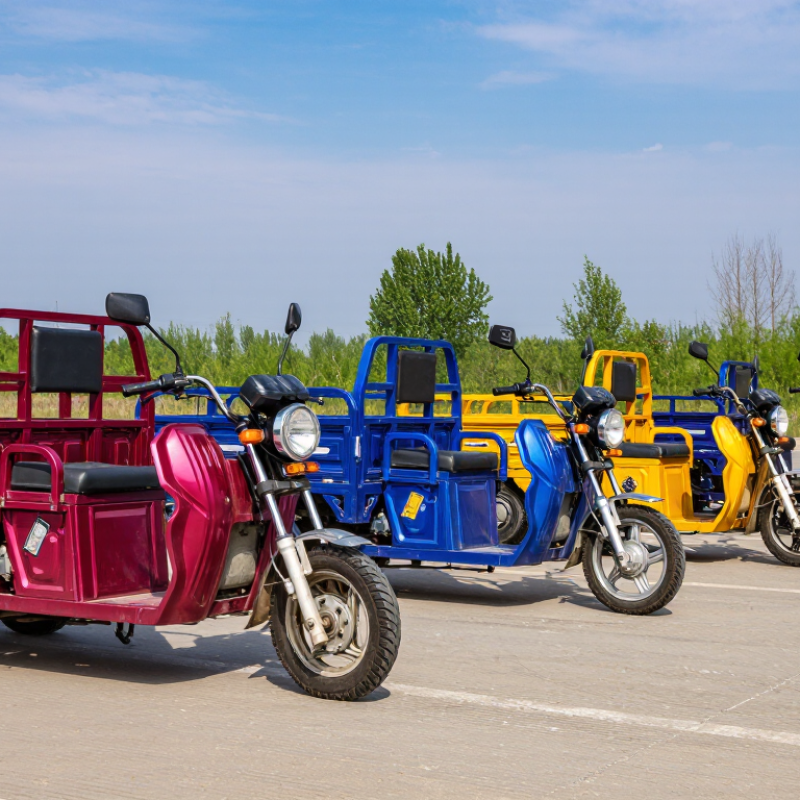
A tricycle motor bike is a powered three-wheeled vehicle designed to carry people or goods with added stability at low speeds. Most models have a front steering wheel and two rear wheels, though layouts vary. A flat cargo bed, metal side rails, and a simple bench seat are common features. The extra wheel can help when loading sacks or tools, but it does not remove the need for careful cornering. A heavily loaded tricycle may feel less steady on uneven ground than buyers expect.
Who buys one? Small shop owners, market vendors, farms, delivery operators, and households may use these vehicles for short local trips. A fruit seller might carry crates from a roadside stand to a nearby market. A maintenance crew could move equipment across a large property. Buyers should compare payload, braking, seating, turning space, and access to routine service. Check the frame joints and tire condition in person, if possible. Test it with a realistic load. That matters. Some buyers focus too much on advertised capacity and overlook daily comfort or spare-part availability. I would not assume every model suits every route; steep roads, rough surfaces, and frequent stops change what feels practical. Even a small mismatch can become tiring after a full workday.
