













What Is a Titanium Coffee Mug Used For?
A Titanium Coffee Mug is made for people who want a lightweight cup for camping, hiking, travel, or everyday use. Titanium is valued for its low weight and resistance to corrosion, while a simple mug can be rinsed quickly beside a campsite or packed into a small backpack. It is not magic. Thin metal can heat quickly, so a hot drink may make the rim uncomfortable to touch.
The market context is broader than drinkware. Grand View Research’s Titanium Market report estimated the global titanium market at about $27.3 billion in 2023, but that figure covers many industries and does not measure coffee mugs specifically. That distinction matters. Broad market growth cannot prove that Titanium Mugs are safer, better-tasting, or more durable than every alternative. Buyers should compare weight, capacity, handle design, wall thickness, and care instructions.
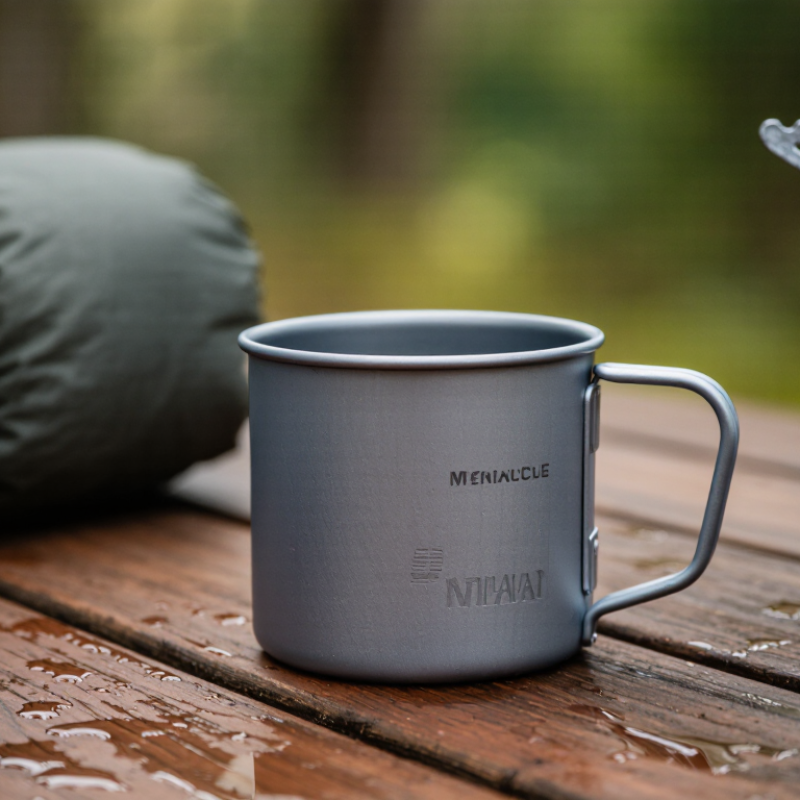
A useful mug should fit the way you actually travel. Imagine setting it on a damp picnic table, then slipping it beside a stove and a rolled sleeping bag. Does its handle stay easy to grip? Does it feel too hot after pouring? Those small details count. I could not verify a reliable, attributable quotation from a named titanium-mug specialist, so I won’t invent one. That is a limitation worth stating. In this guide, we’ll look at what a Titanium Coffee Mug is used for, where it performs well, and what to check before buying.
Titanium Coffee Mug Uses: Everyday Brewing, Hiking, and Travel
A titanium coffee mug suits everyday brewing when you want a light, durable cup for home, work, or a campsite. Titanium has a density of about 4.5 grams per cubic centimeter, according to the International Titanium Association, making it substantially lighter than common stainless steel. That difference matters when a mug rides in a daypack beside a water bottle and lunch. At home, it works well for coffee, tea, and measured pour-over servings. It does not keep drinks hot like an insulated mug, though. Expect warmth to fade.
For hiking and travel, a titanium mug can serve as both drinking vessel and small pot, if the manufacturer says it is safe for direct heat. The Outdoor Industry Association reported that 175.8 million Americans participated in outdoor recreation in 2023. Lightweight, multipurpose gear can help reduce pack weight, especially on longer walks. Still, a thin metal cup can feel hot quickly, and its rim may be less comfortable than ceramic. Small trade-offs.
Tips: Check the mug’s heat-use instructions before placing it over a stove. Use a handle or cloth when it is hot, and test the rim before sipping. For travel, tuck it inside a bag pocket to keep it from clanking against cookware. I sometimes find the metallic feel takes getting used to. That is personal, not a flaw.
