


















Why Are Biomarkers for AD Important?
Biomarkers For Ad are measurable signs that can help researchers and clinicians understand changes linked to Alzheimer’s disease. These signs may include amyloid and tau proteins, or evidence of brain-cell injury. They can be assessed through methods such as cerebrospinal fluid tests, brain imaging, and certain blood tests. Each method has different strengths, limits, and levels of availability.
Why does this matter? Alzheimer’s symptoms can overlap with other conditions, and changes in memory alone do not reveal their cause. Biomarkers may help clinicians identify disease-related biology, support research, and select or monitor participants in clinical trials. In some settings, test results can also inform discussions about diagnosis and care. They must be interpreted alongside a person’s symptoms, medical history, and other findings—not in isolation.
A result is not a complete answer. Biomarker tests can differ in accuracy and suitability, and access varies across clinics. Their meaning may also depend on the person being tested and the question being asked. Clinicians should explain what a test can and cannot show, using validated guidance and the best available evidence. There is room for caution here. A measurable signal is not the same as a person’s lived experience, and no single result should define someone’s future. Understanding both the promise and limits of biomarkers helps patients, families, and care teams make better-informed decisions.
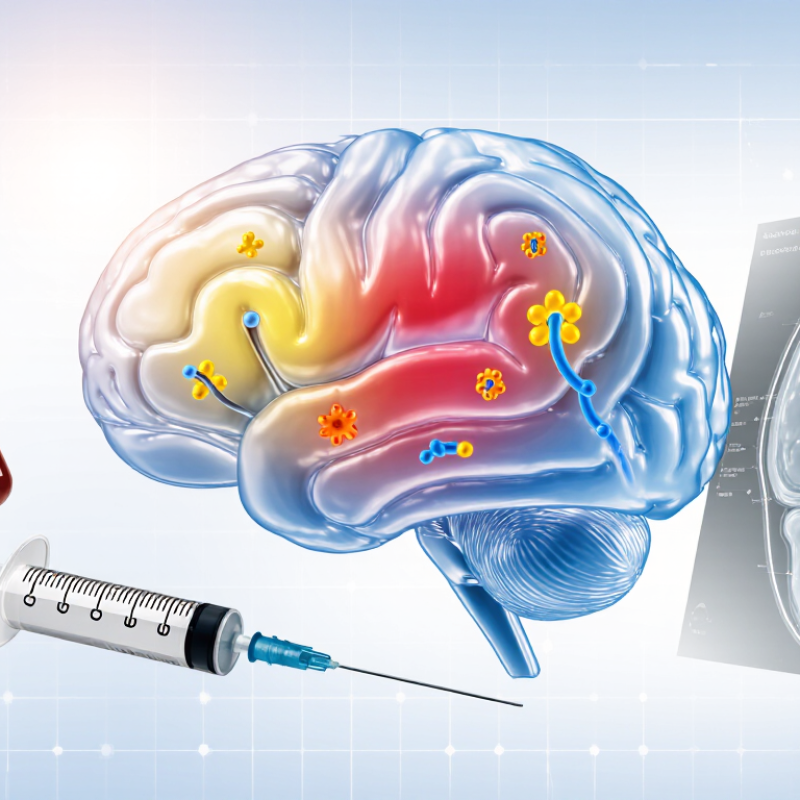
What Biomarkers Reveal About Alzheimer’s Disease
Alzheimer’s disease can begin changing the brain years before memory problems become obvious. Biomarkers are measurable clues found in blood, cerebrospinal fluid, or brain scans. Some reflect amyloid plaques; others track tau changes or nerve-cell injury. Together, they help clinicians distinguish Alzheimer’s biology from other causes of cognitive symptoms.
Biomarkers reveal patterns, not a complete personal forecast. An amyloid-positive result may support the presence of Alzheimer’s pathology, but it cannot tell exactly when symptoms will worsen. A tau marker or imaging finding adds context, while age, medical history, examination, and daily function still matter. Results should be interpreted with a qualified clinician. A test is not the whole story. Still, gaps remain.
Tips: Ask what a test measures, what its result can and cannot show, and whether follow-up is needed. Bring a medication list and note specific changes, such as repeated questions or missed appointments. Small details help. Biomarkers can make uncertainty more manageable, though uncertainty does not disappear.
