


















Why Choose a Rotary Pouch Packing Machine?
Choosing a rotary pouch packing machine can transform a carefully managed packaging line. It can index pre-made pouches, open them, fill products, seal them, and discharge finished packs with consistent timing. This coordinated movement reduces manual handling and supports cleaner production areas. It also helps manufacturers manage changing pouch sizes, filling volumes, and sealing requirements. In practical trials, operators often notice steadier output and fewer repetitive tasks. Small details matter, such as pouch alignment, seal temperature, air pressure, and sensor accuracy. These factors influence appearance, protection, and production reliability.
A rotary pouch packing machine is not automatically the best choice for every facility. Product characteristics, daily volume, available floor space, and maintenance skills should guide the decision. A dry powder may require different filling equipment than granules, liquids, or delicate pieces. Test realistic materials before approving the machine. Ask suppliers for sample runs, cleaning instructions, spare-parts support, and documented performance data. Inspect seals closely under normal operating conditions. Watch for wrinkles, leaks, dust around sealing areas, or inconsistent weights. These observations reveal more than impressive showroom demonstrations.
A perfect machine does not exist. Even reliable equipment needs trained operators, scheduled maintenance, and careful quality checks. A useful purchase balances speed with safety, flexibility, sanitation, and long-term service. When those factors are reviewed honestly, this packaging solution can deliver measurable value. It may improve consistency without forcing a business into unnecessary complexity. The right decision comes from evidence, not excitement.
What Is a Rotary Pouch Packing Machine?
What Is a Rotary Pouch Packing Machine?
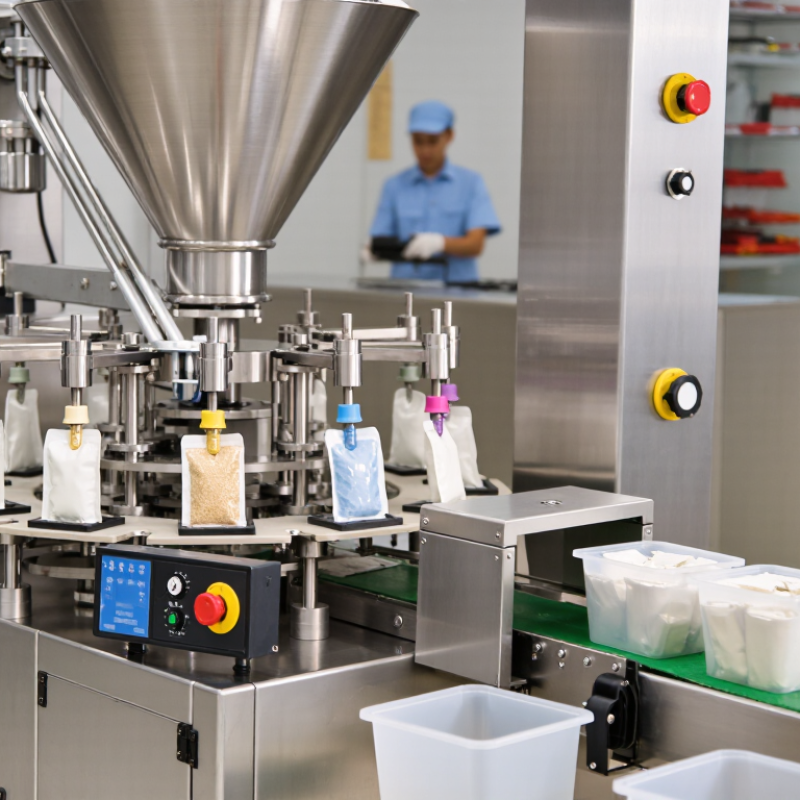
A rotary pouch packing machine fills and seals pre-made pouches through several stations. These stations sit around a rotating carousel. One cycle may include pouch pickup, opening, filling, sealing, coding, and discharge. The machine can handle powders, granules, liquids, and small solid products. Its value comes from controlled movement, repeatable dosing, and compact floor use.
Smithers’ The Future of Flexible Packaging to 2028 forecasts the global flexible packaging market will exceed US$300 billion by 2028. This growth supports demand for efficient pouch equipment. Rotary systems often suit medium and high-volume production. They can also change pouch sizes with suitable tooling. However, speed is not everything. Poorly aligned pouches, unstable product flow, or weak seals can create waste quickly. In real production, the machine is not magic.
Tips: Test the actual product before purchase. Check seal strength, dust behavior, fill accuracy, and changeover time. Ask for data from a factory trial. PMMI industry reports continue to identify automation, labor efficiency, and equipment flexibility as major packaging priorities. I would also inspect sensor access and cleaning points. Small maintenance details matter.
A reliable setup needs more than a fast carousel. It needs compatible film, accurate filling components, stable air pressure, and trained operators.
Sealing temperature may require adjustment across different materials. That detail is easy to underestimate.
