









Why Choose Pallet Rack for Your Warehouse?
A warehouse can look orderly from the aisle and still waste valuable space above it. Pallet Rack turns that unused vertical room into accessible storage, helping teams organize inventory, separate product types, and keep picking routes clear. The right system can also adapt as stock levels change. The wrong one can create congestion, awkward handling, or costly damage. Details matter.
The investment context is changing. MHI and Deloitte’s 2024 Annual Industry Report found that 88% of supply chain professionals expected to increase technology investment over the next five years. That figure covers supply chain technology broadly, not pallet rack alone. Still, it reflects pressure on warehouses to make space and operations work harder. Selective rack, for example, offers direct access to each pallet; higher-density layouts may store more, but can limit access. There is no universal winner.
Safety belongs in the decision from day one. OSHA’s material-handling rule states, “Storage of material shall not create a hazard.” Rack capacity, floor conditions, load dimensions, and equipment clearances all deserve careful review. A visibly straight upright is not proof that a rack is undamaged. Small impacts can be easy to miss.
A useful design starts on the warehouse floor: measure the aisles, note the forklift turning radius, and check the tallest planned load. Then compare those needs with growth plans and inspection routines. Pallet Rack is infrastructure, not just shelving. The tempting shortcut is to maximize capacity immediately; that choice may make daily access harder. Thoughtful planning pays attention to both.
What Pallet Rack Is and How It Works
Why Choose Pallet Rack for Your Warehouse?
What Pallet Rack Is and How It Works
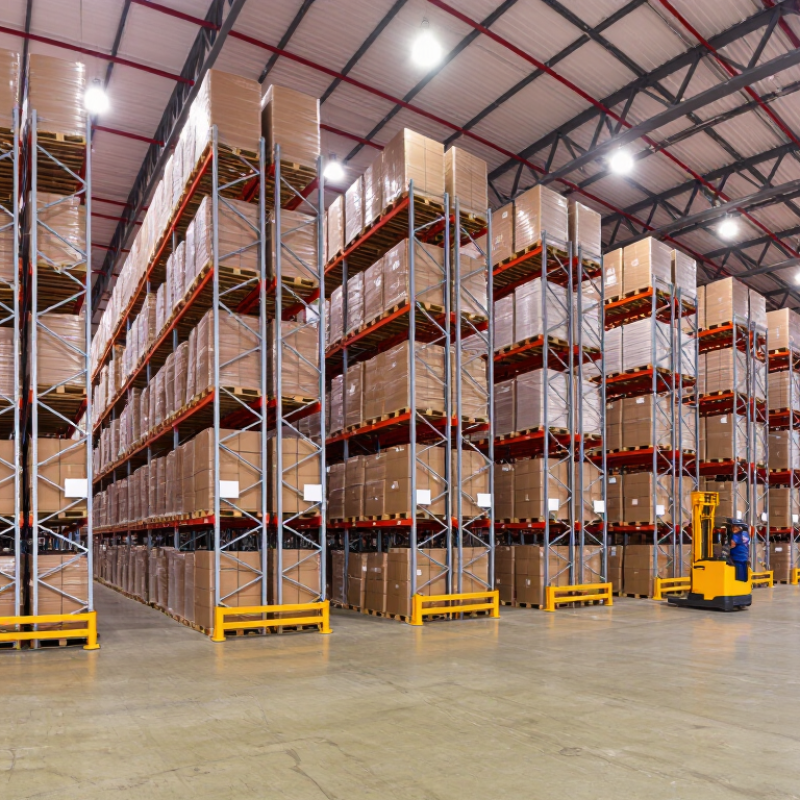
Pallet rack is a steel structure that stores goods on pallets above the floor. Its upright frames support horizontal beams, creating levels for forklift access. Workers place pallets on the beams, where each load rests across two supports. Simple in principle. In practice, beam height, aisle width, pallet dimensions, and forklift reach must work together. A mismatch can make everyday loading awkward or unsafe.
Selective pallet rack is common because forklifts can reach each pallet position directly. Other layouts may store more pallets in less space, but can limit access to individual loads. Capacity matters, too: each bay and beam level must suit the loads actually stored, not just a rough estimate. Clear load notices, secure floor anchoring, and routine checks for bent beams or damaged uprights help keep the system dependable. A small scrape may look harmless. It still deserves attention. Warehouse teams should also consider changing inventory; a layout that worked for uniform cartons may become less practical when pallet sizes vary. The rack is only part of the system—the way people load and inspect it matters just as much.
