













Why Choose Clear Self Ligating Braces for Dentists?
Choosing Clear Self Ligating Braces is not simply a decision about appearance. For dentists, it involves diagnosis, biomechanics, patient expectations, and long-term stability. These brackets use a built-in sliding door instead of traditional elastic ligatures. The design may reduce wire-binding and simplify some clinical procedures. However, it does not replace careful treatment planning.
Dr. Dwight Damon, the orthodontist associated with the Damon System, has stated, “The goal is not to move teeth faster, but to move them more naturally.” This principle remains useful for modern dental teams. A bracket alone cannot guarantee shorter treatment or fewer appointments. Patient age, bone structure, crowding, hygiene, and cooperation still shape the result. Real cases are rarely perfect.
For dentists, Clear Self Ligating Braces can offer practical advantages. The opening mechanism gives clinicians easier access during archwire changes. Patients may also appreciate a cleaner appearance and fewer visible elastic ties. In a busy clinic, these small details can improve the chairside experience. Yet, the evidence should be considered carefully. Some claimed benefits are modest, and outcomes may vary between patients and treatment systems.
The best choice depends on the individual case. That matters most. Dentists should compare bracket design, clinical evidence, training requirements, and patient needs before recommending treatment. A clear explanation builds trust. It also prevents unrealistic promises. This article examines why Clear Self Ligating Braces may suit certain practices, while recognizing their limitations and the importance of professional judgment.
What Are Clear Self-Ligating Braces?
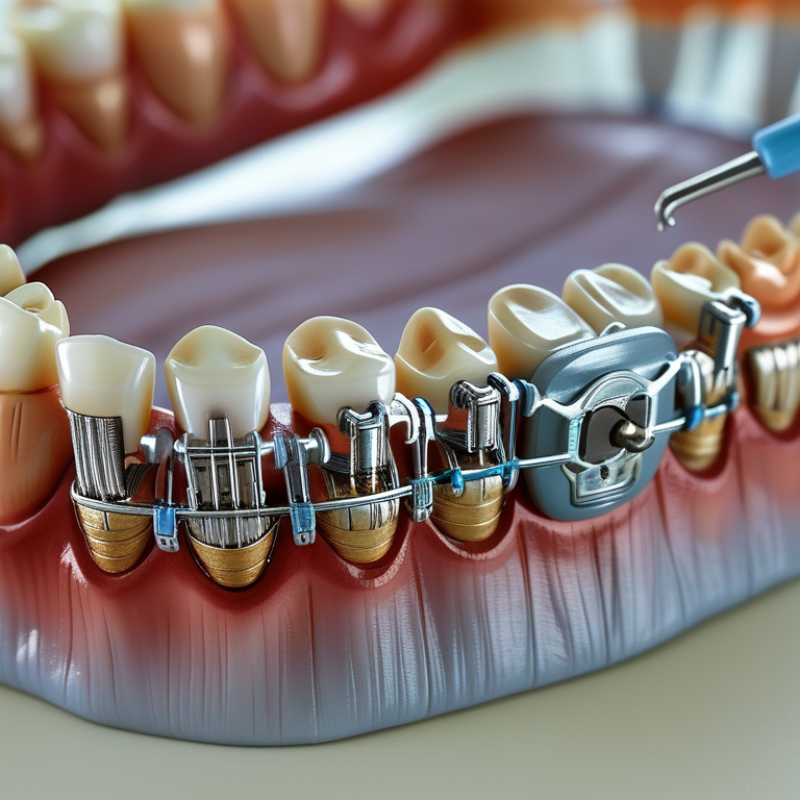
Clear self-ligating braces are fixed orthodontic appliances made from tooth-colored ceramic brackets. They use a small built-in clip instead of elastic ligatures. The clip holds the archwire inside a slot. This design can make wire changes more efficient during appointments. However, clear does not mean invisible. Under close inspection, the brackets remain noticeable, especially with coffee, tea, or plaque buildup.
Their appearance is the main reason many adults ask about them. Ceramic materials can blend with natural enamel, while the metal archwire remains visible. In clinical practice, dentists must also assess enamel strength, bite forces, hygiene habits, and treatment complexity. Ceramic brackets may be more brittle than metal brackets. Their clip can also require careful handling. Small details matter.
The evidence is less dramatic than some advertisements suggest. A Cochrane review found insufficient evidence that self-ligating brackets consistently shorten total treatment time or improve final results. A systematic review in the European Journal of Orthodontics also reported no clinically meaningful advantage in overall treatment duration. Chairside efficiency may improve in selected cases, but it is not guaranteed. Patient cooperation still influences progress. Brushing around the clip is sometimes difficult. I would question any claim promising faster treatment for everyone. A personalized examination, radiographs, and an orthodontist’s treatment plan remain more reliable than bracket type alone.
