

Choosing the best China Wheelchair Vehicles requires more than comparing prices, body size, or electric doors. A suitable vehicle must protect the passenger, support the wheelchair, and remain practical in daily traffic. The World Health Organization’s Global Report on Health Equity for Persons with Disabilities (2022) estimates that 1.3 billion people experience significant disability worldwide. This figure highlights a broad mobility need, but it does not represent China’s wheelchair-vehicle market directly.
China’s National Bureau of Statistics reported 296.97 million people aged 60 or above in 2023. Aging alone does not prove vehicle demand. However, it strengthens the case for accessible transport, especially for hospital visits, family travel, and community services. In real evaluations, details matter: ramp height, door width, interior headroom, turning space, wheelchair tie-downs, and transfer difficulty can change the user experience. A quiet lift is useful. Reliable after-sales support matters more.
Safety should guide every shortlist. ISO 10542 addresses wheelchair tie-down and occupant-restraint systems, while ISO 7176 provides widely recognized wheelchair testing references. Buyers should request conversion documentation, load ratings, maintenance records, and evidence of practical testing. Manufacturer claims deserve verification. A polished brochure cannot show how a ramp performs on a wet roadside.
There is no universal winner. A compact minivan may suit urban families, while a larger van may better support power wheelchairs and caregivers. Our comparison may remain imperfect because specifications, conversions, and regional service quality vary. Still, examining these measurable factors can make China Wheelchair Vehicles easier to compare, safer to select, and more dependable in everyday use.
What Are the Best China Wheelchair Vehicles?
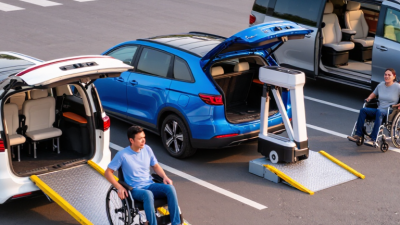
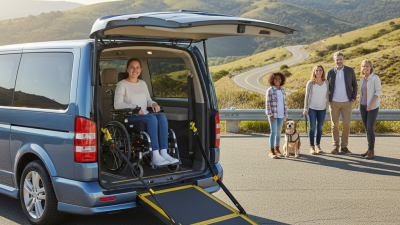
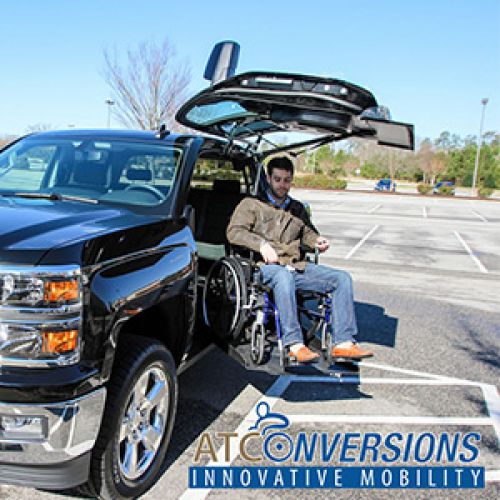
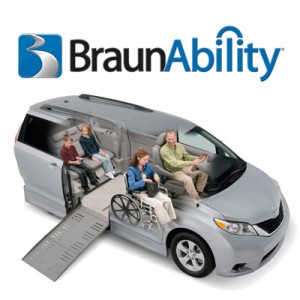
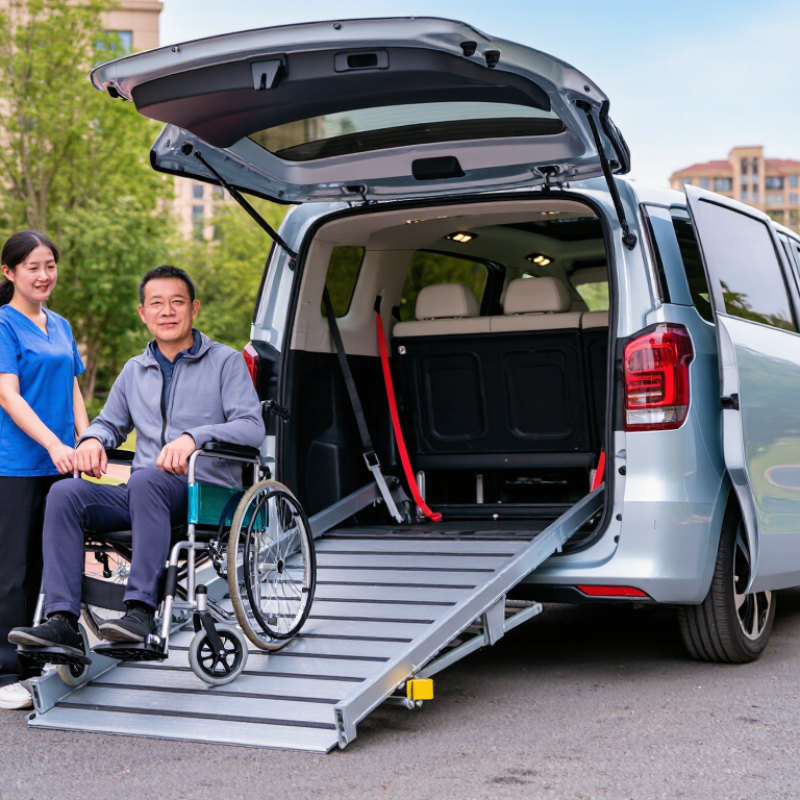
China produces several practical types of wheelchair vehicles for private, commercial, and community transport. Wheelchair-accessible vans are the most flexible choice. They usually offer a rear or side entry, a folding ramp, and floor-mounted tie-down points. Rear-entry designs often provide better parking access, while side-entry layouts can support easier curbside transfers.
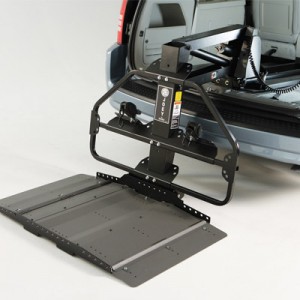
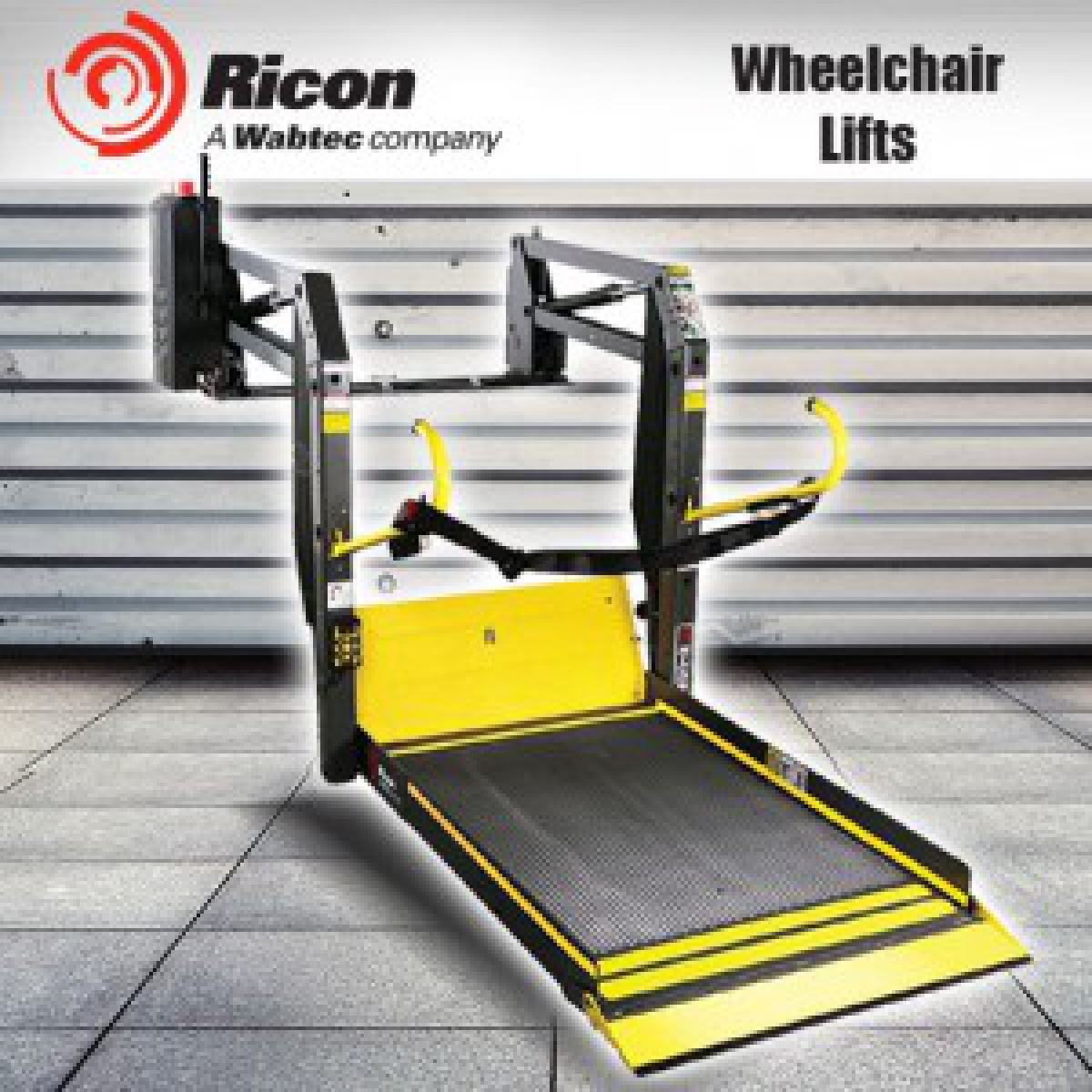
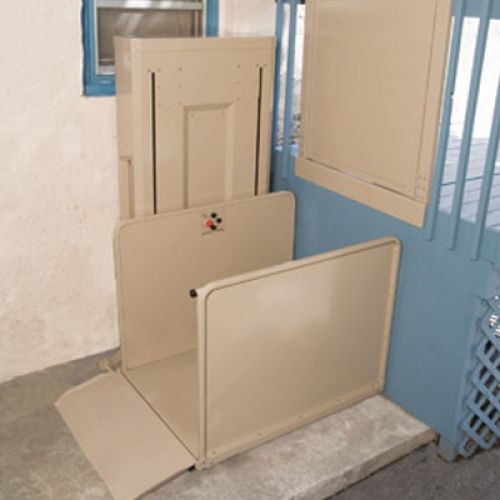
Accessible MPVs balance comfort and maneuverability. They may carry one wheelchair user and several passengers without feeling too large on narrow streets. Larger minibus conversions suit hospitals, care centers, and shuttle services. Some use powered lifts instead of ramps, which can help with heavy wheelchairs. However, lifts need regular inspection and may increase maintenance costs. Adapted sedans are less common, but they can work for users who transfer from a wheelchair into a standard seat.
Tips: Measure the wheelchair, doorway, ramp length, and interior turning space before ordering. Check whether the restraint system suits manual or powered wheelchairs. Ask for clear testing documents, installation drawings, warranty terms, and replacement-part support. A low floor sounds ideal, but it may reduce ground clearance on uneven roads. I would also test the ramp angle in real conditions, not only in a showroom. Small details matter. Door handles, lighting, ventilation, and quiet cabin movement can strongly affect daily confidence. One common mistake is choosing passenger capacity before checking usable wheelchair space.
China-made wheelchair vehicles are commonly available in several body styles. The most suitable option depends on wheelchair capacity, passenger seating, boarding method, and daily operating conditions.
The chart shows indicative wheelchair-position capacity by common vehicle type. Actual capacity varies according to vehicle size, ramp or lift design, interior layout, and local safety regulations.
What Are the Best China Wheelchair Vehicles?
Key Features for Comparing Wheelchair-Accessible Vehicles
Choosing among China wheelchair vehicles requires more than checking a ramp photo. In real use, doorway width, interior height, and turning space determine comfort. Measure the wheelchair, user, and caregiver together. A low floor can simplify boarding, but ground clearance may suffer on uneven roads. Test the ramp at its steepest practical angle. Manual ramps need less maintenance, while powered lifts demand reliable controls and emergency backup. Small details matter. I once overlooked handrail placement, and it made transfers awkward.
Compare restraint systems carefully. Look for secure wheelchair tie-down points, occupant belts, head clearance, and stable flooring. Ask whether the design supports different chair sizes and power-chair weights. Check door operation, step height, ventilation, lighting, and storage for batteries or mobility aids. Electric versions should provide clear charging information and accessible service support. A quiet cabin is valuable, but range claims can change with passenger weight, traffic, temperature, and air conditioning. Independent inspection builds trust.
Tips: Bring the actual wheelchair to a supervised test drive. Measure ramp length and cabin width. Try loading without assistance. Ask for maintenance records, warranty terms, replacement-part availability, and current accessibility documentation. Compare turning at a narrow curb, not only inside a showroom. Take notes from the wheelchair user, caregiver, and technician. Their priorities may conflict. That is normal. Recheck every measurement before purchase.
China wheelchair vehicles are designed to support people with different mobility needs, not only wheelchair transport. A manual wheelchair user may need a simple rear ramp, while a power-chair user often requires greater door clearance and stronger anchoring equipment. In practical evaluations, accessible entry is only one part of daily usability. The interior should leave enough turning space for a chair, a caregiver, and essential bags.
Small details matter.
Some vehicles use fold-out ramps, while others offer powered lifts or lowered floors. Ramps can work well in narrow streets and private driveways, but they require enough space behind the vehicle. Powered lifts may reduce physical effort, especially for users with limited arm strength. They also add mechanical parts that need regular inspection.
A quiet lift is helpful. A reliable one matters more.
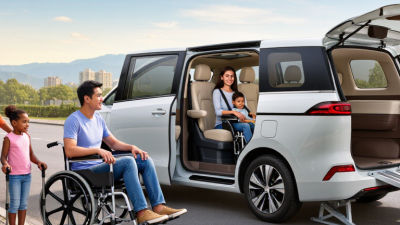
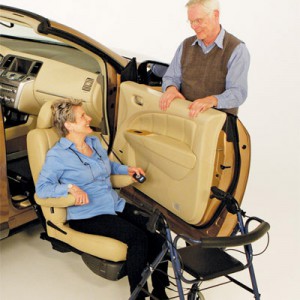
Families should examine seating positions, restraint systems, step height, climate control, and visibility before choosing a vehicle. Older passengers may need stable handholds and a wide opening. Children may require adjustable seating and careful belt positioning. Drivers should check whether the vehicle remains comfortable after a wheelchair is secured. This is often overlooked.
A local mobility specialist can measure the chair, user, and parking area together. Test driving with the actual wheelchair is wiser than trusting specifications alone. Even well-designed vehicles may feel difficult on steep ramps, uneven roads, or crowded urban streets.
Choosing the best China wheelchair vehicle requires more than comparing price and appearance. Safety begins with a rigid wheelchair restraint system, reliable seat belts, and a stable entry ramp or lift. Check the vehicle’s tested load rating carefully. A certified technician should inspect anchor points, braking performance, door locks, and emergency releases. Do not rely on photos alone.
Accessibility is practical. Measure the wheelchair, doorway, ramp angle, and interior turning space before purchase. The chair should enter without scraping the frame. Controls must remain reachable from the seated position. A manual backup system matters if the lift loses power. Local accessibility and road safety rules also need checking, because requirements can differ between regions.
Comfort affects every journey. Look for enough headroom, smooth suspension, low cabin noise, and steady climate control. Firm but supportive seating may reduce fatigue on longer trips. A quiet lift can also reduce anxiety during boarding. Small details matter. A careless step here can create daily frustration. It is easy to overvalue modern screens and overlook poor ventilation or awkward transfer space. A short test drive, with the actual wheelchair inside, often reveals more than a polished specification sheet.
| Vehicle Type | Typical Passenger Capacity | Wheelchair Access | Typical Ramp or Lift Specification | Wheelchair Restraint | Safety and Stability Considerations | Comfort and Interior Space | Best Suited For |
|---|---|---|---|---|---|---|---|
| Compact Accessible Minivan | 4–6 occupants, usually including one wheelchair user | Side or rear entry; often suitable for one standard manual wheelchair | Manual or powered fold-out ramp; commonly designed for a moderate step-in height and a practical loading angle | Four-point tie-down system plus a separate occupant restraint | Check anchorage strength, ramp locking, side-impact protection, seat-belt access, and adequate headroom | Good maneuverability in cities; interior width and turning space may be limited | Private families, short urban trips, and users who need a compact vehicle |
| Mid-Size Accessible MPV | 5–8 occupants, depending on seating layout and wheelchair position | Usually rear or side entry; can accommodate one wheelchair with improved aisle access | Longer fold-out ramp or powered ramp; a low floor and wide opening improve boarding | Four-point restraint system with a dedicated lap-and-shoulder belt for the wheelchair user | Verify reinforced floor mounting points, anti-roll-back protection, door interlocks, and emergency access | More legroom and luggage capacity than a compact minivan; better for longer journeys | Families, care providers, airport transfers, and daily accessible transportation |
| Large Accessible Van | 6–12 occupants, depending on body length and interior configuration | Rear or side entry; suitable for one or more wheelchairs when correctly configured | Powered lift or heavy-duty powered ramp; lifting equipment should match the combined user and wheelchair weight | A separate compliant restraint position is required for each wheelchair user | Inspect lift interlocks, load rating, floor reinforcement, braking performance, body roll, and clear evacuation routes | Excellent headroom, turning space, luggage room, and potential for climate-control zoning | Group transport, medical services, social-care organizations, and accessible shuttle operations |
| Accessible Electric MPV | 4–7 occupants, subject to battery layout and conversion design | Side or rear ramp access; interior floor height and battery protection must be checked carefully | Manual or powered ramp; loading equipment should not obstruct battery enclosures or high-voltage components | Four-point tie-downs and a separate three-point occupant belt where applicable | Confirm high-voltage isolation, battery shielding, post-conversion certification, traction control, and emergency procedures | Quiet operation and smooth low-speed driving; real-world range can decrease with payload, temperature, and climate-control use | Urban mobility, low-noise environments, and operators with predictable daily routes |
| Accessible Shuttle Bus | 10–20 seated passengers, with capacity reduced when wheelchair spaces are installed | Usually uses a powered wheelchair lift or wide powered ramp at the rear or side door | Platform lift or commercial-grade ramp with a defined safe working load and anti-slip surface | Dedicated wheelchair bays with four-point restraints and occupant seat belts | Requires professional inspection of lift operation, aisle clearance, handrails, emergency exits, and passenger distribution | Best passenger circulation and standing height; road noise and ride comfort depend on suspension and insulation | Hotels, hospitals, schools, public transport, and high-volume transfer services |
| Wheelchair-Accessible Taxi | 3–6 passengers, generally with one wheelchair position | Typically rear or curb-side ramp entry with a clear path to the restraint position | Fold-out or powered ramp designed for frequent daily use and rapid deployment | Commercial-grade four-point tie-downs and an independent passenger safety belt | Prioritize ramp visibility, secure door latching, driver access to restraints, and adequate lighting | Practical rather than spacious; easy entry and quick loading are the main comfort advantages | On-demand transport, urban taxi services, and short-to-medium passenger journeys |
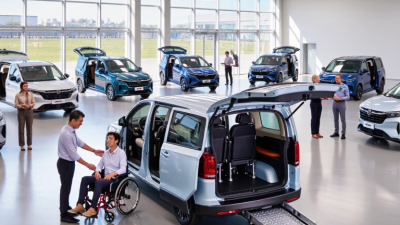
Choosing the best China wheelchair vehicle starts with the passenger, not the brochure. Measure the chair’s total width, height, weight, and turning needs. Then compare these figures with the doorway, ramp, and cabin floor. A vehicle may look spacious but feel cramped after tie-downs and a second passenger are added. Visit a showroom if possible. Sit in the chair and test the entry angle. Small differences matter.
Decide between a rear ramp, side ramp, or powered lift based on daily use. A rear ramp suits level driveways and simpler maintenance. A lift can help with heavier chairs, but it needs more space and regular inspection. Check the ramp surface, handholds, lighting, and drainage. The restraint system should secure the wheelchair at approved points and provide a properly positioned passenger belt. Ask for load ratings, installation records, warranty terms, and local service support. Verify that the conversion meets local vehicle and accessibility requirements. Clear documentation is more useful than confident sales language.
Think about roads, weather, and charging access in your area. Test suspension, door operation, air conditioning, and visibility from the wheelchair position. On a trial route, watch for steep ramps, narrow turns, and floor vibration. Range claims may change with passengers, temperature, and traffic. Leave a safety margin. I would also inspect emergency release access and corrosion protection. No vehicle is perfect. A lower-cost model may save money initially yet demand more adjustments later. Recheck every tie-down after the first few trips, because real use often reveals problems that a short demonstration misses.