


China Top 10 Handicap Conversion Van Manufacturers?

Choosing a mobility vehicle is a practical decision, not just a comparison of prices or polished photos. This guide introduces China’s top 10 Handicap Conversion Vans manufacturers and the details buyers may want to examine before contacting a supplier. A dependable conversion should make everyday tasks easier, from entering through a lowered floor to securing a wheelchair beside the driver or passenger area. Small details matter: door width, ramp angle, restraint placement, interior headroom, and how controls feel during use.

The manufacturers featured in this overview can be assessed through their conversion experience, product range, customization process, quality documentation, and after-sales support. Buyers should ask for clear specifications, inspection records, warranty terms, and photos or videos of completed vehicles. If possible, arrange an independent vehicle inspection and confirm that the van suits the intended user, caregiver, and travel routine. Details vary.

A ranked list is only a starting point. Product availability, component choices, and export support can change, while a strong brochure cannot prove how a vehicle performs over time. That deserves reflection. Use this guide to prepare sharper questions, compare manufacturers on consistent criteria, and identify which options merit further checks. The best fit is not always the most familiar name; it is the one whose design, documentation, and support match real mobility needs.

China Top 10 Handicap Conversion Van Manufacturers?

What Is a Handicap Conversion Van and How Is It Adapted?

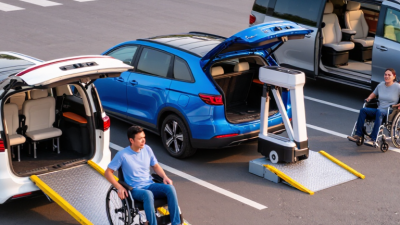
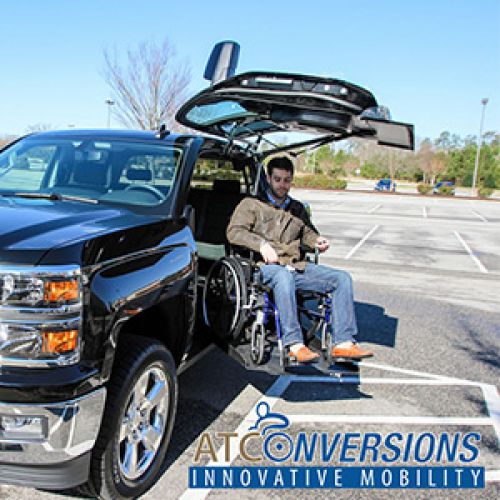
A handicap conversion van is a standard van modified to help a person with limited mobility enter, travel, and exit more safely. The right setup depends on the passenger’s mobility, seating needs, and daily routine. A wheelchair user may need a lowered floor and a ramp or lift, while someone who transfers from a wheelchair may need different doorway access and handholds. One layout cannot suit everyone.

During conversion, technicians may widen an entry, lower part of the floor, and reposition seats to create usable space. A ramp should meet the ground without an awkwardly steep incline. Inside, wheelchair securement points and a suitable occupant restraint help keep the passenger stable during travel. These systems should be installed and checked by qualified professionals. Small details matter: headroom, turning space, door opening, and whether a caregiver can reach the controls. It can look roomy in a photograph. Real life is less tidy.

Before choosing a configuration, measure the wheelchair and check how the van will be used—school runs, medical visits, or longer drives. Ask for a demonstration with the actual chair and passenger when possible. Try the ramp. Check the seat belt. Some compromises may remain, and that deserves honest discussion. Maintenance also matters: ramps, lifts, restraints, and flooring need regular inspection for wear or damage. A conversion should fit the person, not merely the vehicle.

How China’s Accessible Van Manufacturing Sector Is Organized

China’s accessible-van sector is better understood as a production chain than a simple list of manufacturers. Base-vehicle producers supply platforms; specialist converters add lowered floors, wheelchair restraints, ramps, lifts, and adapted seating. Component suppliers and local dealers support installation, delivery, and maintenance. The boundary between these roles is not always neat.

The China Association of Automobile Manufacturers reported 30.16 million vehicles produced in China in 2023. That figure describes the wider automotive industry, not accessible-van output. The World Health Organization estimates that 1.3 billion people worldwide experience significant disability, a useful indicator of mobility needs, not a sales forecast. Together, the reports offer context: a large vehicle-production base and substantial demand for accessible transport. They do not reveal how many converted vans are built or how consistently equipment performs. That gap matters. Buyers and researchers should compare conversion specifications, safety testing, service coverage, and replacement-part access—not rely on factory scale alone.

Tips: Ask who engineers and installs each modification. Check ramp angle, doorway clearance, restraint placement, and how repairs are handled. A polished showroom can hide practical shortcomings; inspect the vehicle in use, if possible.

China Top 10 Handicap Conversion Van Manufacturers? - How China’s Accessible Van Manufacturing Sector Is Organized

The entries below describe ten common capability segments in China’s accessible-vehicle supply chain, not a verified company ranking. They contain no company or brand names; actual specifications and compliance status vary by vehicle model and conversion.

No. Manufacturing Segment Typical Base Vehicle Common Accessibility Work Typical Production Role Key Verification Point
1 Complete-vehicle manufacturers Light commercial vans, passenger vans, and minibuses Provide the original vehicle platform, body, powertrain, and factory safety systems; some models may be configured for accessible conversion. Build the base vehicle and supply its approved technical specifications to conversion partners. Confirm the exact model, seating configuration, payload, and permitted vehicle use before conversion.
2 Special-purpose vehicle converters Vans or minibuses supplied as complete vehicles or chassis-based platforms Integrate wheelchair access equipment, accessible seating layouts, and related interior changes. Coordinate vehicle modification, installation, inspection, and delivery as a completed special-purpose vehicle. Check that modifications are documented and that the finished vehicle meets the applicable registration and inspection requirements.
3 Lowered-floor conversion specialists Passenger vans with a suitable floor, axle, and underbody layout Modify part of the floor to create a lower wheelchair entry area, often paired with a ramp. Perform structural design, floor fabrication, corrosion protection, and interior finishing. Review ground clearance, seating and restraint layout, structural workmanship, and usable wheelchair space.
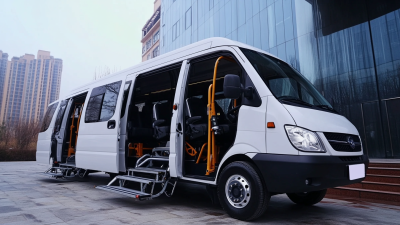
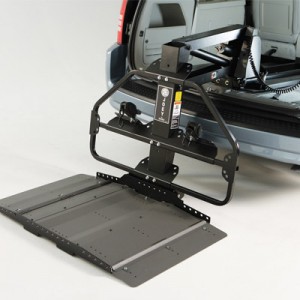
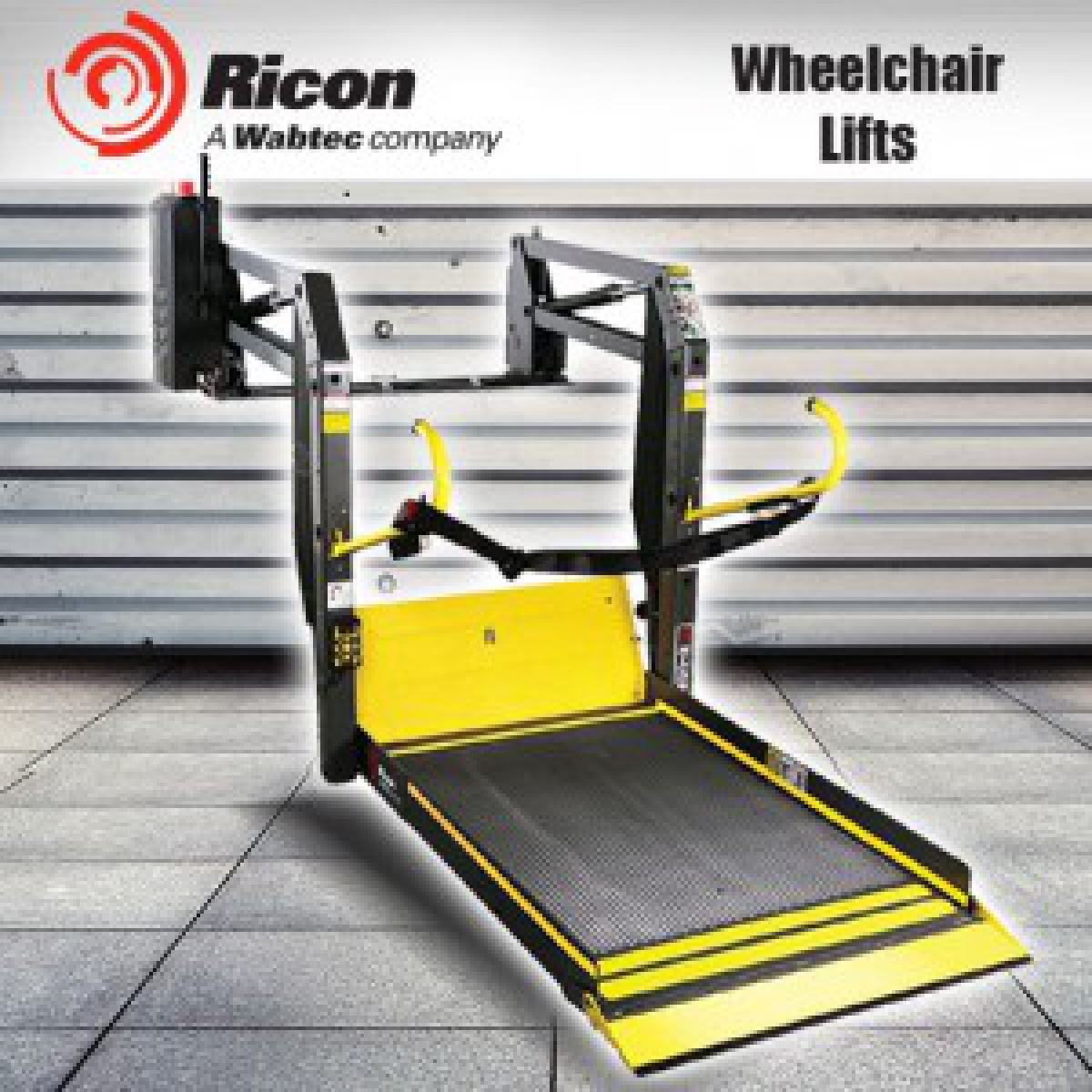
4 Ramp and lift system integrators Vans and minibuses with compatible door openings and entry geometry Install manual or powered ramps, or vehicle lifts where the vehicle design supports them. Supply, fit, and test access equipment; provide operating instructions and maintenance guidance. Check rated capacity, clear opening, ramp slope or lift dimensions, emergency operation, and secure stowage.
5 Wheelchair restraint and occupant-safety specialists Accessible vans with designated wheelchair travel positions Fit wheelchair tie-downs and occupant restraint systems intended for travel in the vehicle. Install anchorage points and restraint hardware in coordination with the vehicle floor and seating plan. Verify the restraint system’s compatibility, installation instructions, anchorage design, and intended occupant use.
6 Accessible seating and interior fit-out manufacturers Passenger vans, shuttle vans, and minibuses Reconfigure seats, handrails, grab points, interior trim, and clear circulation areas. Produce and install vehicle-specific seating and interior components for accessible layouts. Check seat-belt availability, seat anchorage, aisle and door clearance, and the final passenger capacity.
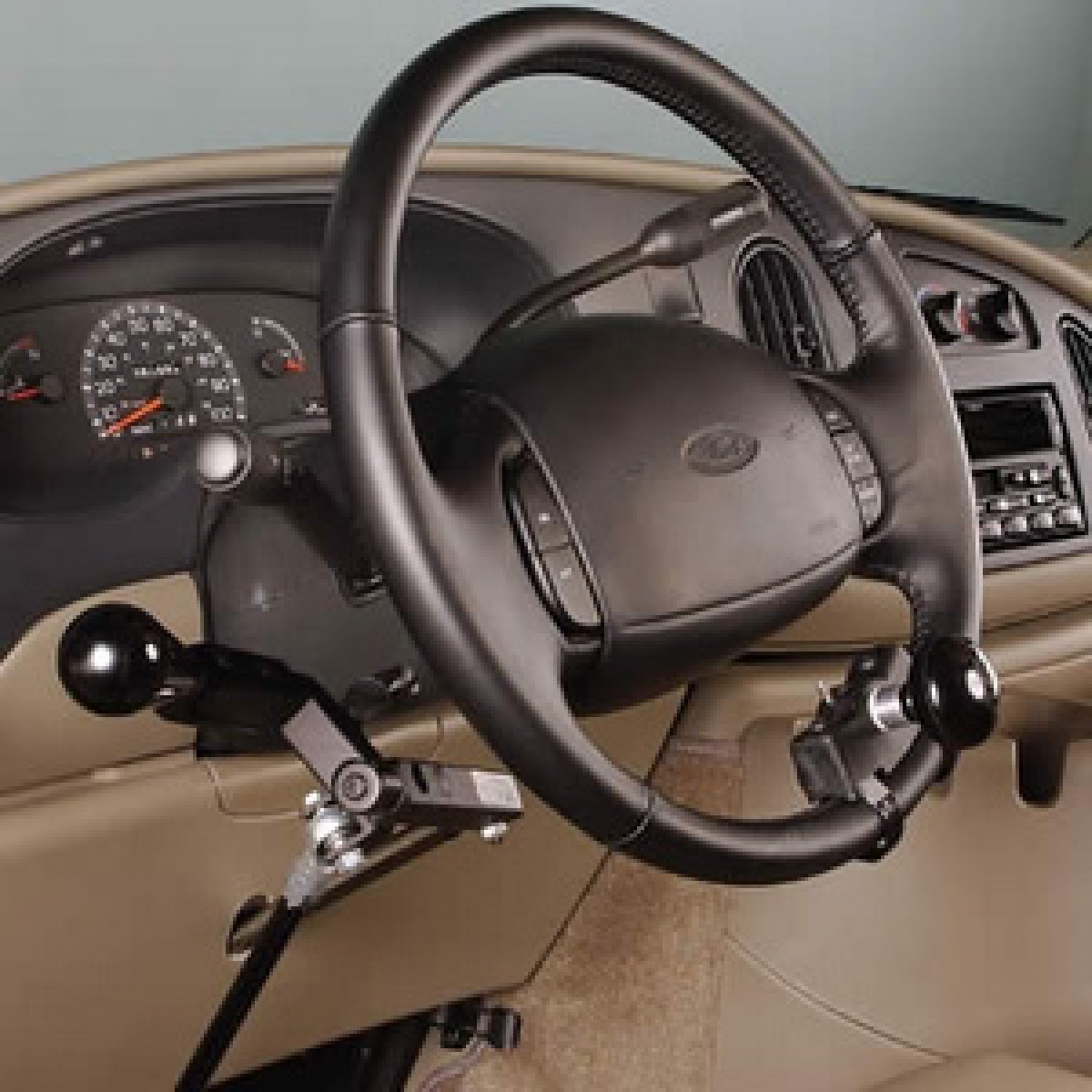
7 Driving-control adaptation workshops Passenger vehicles and vans suitable for the requested control arrangement May fit adaptations such as hand controls or other driver-assistance controls for individual needs. Assess the driver’s requirements, install compatible equipment, and explain safe operation. Confirm suitability with a qualified assessment and check local licensing, inspection, and insurance requirements.
8 Accessible shuttle and fleet integrators Vans and minibuses used for community, institutional, or passenger transport Combine wheelchair positions, accessible boarding equipment, passenger seating, and fleet-use features. Deliver vehicle layouts tailored to the operator’s routes, passenger needs, and operating procedures. Review capacity, boarding workflow, securement procedures, maintenance access, and the vehicle’s approved use.
9 Conversion-component and equipment suppliers Components intended for use across compatible van and minibus platforms Supply ramps, lifts, restraint hardware, seat components, flooring, and related installation parts. Provide components and technical documentation to vehicle converters and specialist workshops. Check model compatibility, load ratings, installation requirements, traceability, and after-sales parts support.
10 Testing, inspection, and after-sales service providers Converted accessible vehicles presented for inspection or ongoing maintenance Support checks of installed equipment, vehicle condition, and the operation of access and restraint systems. Provide inspection, servicing, repair, and documentation support; these providers may not manufacture vehicles. Confirm the provider’s scope of work and distinguish equipment servicing from formal vehicle approval or certification.

How to Evaluate Handicap Conversion Van Manufacturers in China

When evaluating a handicap conversion van manufacturer in China, look beyond showroom photos. Ask how the company changes the vehicle’s floor, doorway, ramp, and seating layout. Request drawings that show ramp angle, interior headroom, floor clearance, and usable payload after conversion. These details affect daily transfers and wheelchair access. The WHO and UNICEF Global Report on Assistive Technology (2022) estimates that 2.5 billion people need at least one assistive product; the number may reach 3.5 billion by 2050. That broad need makes careful fit assessment important. Ask whether wheelchair tie-downs and occupant restraints are tested to a named standard, such as ISO 10542-1, and request the test conditions.

Inspect evidence, not promises. Ask for production records, third-party inspection reports, and clear photos of welds, wiring protection, and ramp hinges. A short demonstration can show operation, but it cannot prove durability. Request results from repeated ramp-cycle tests and ask how faults are handled after delivery. Confirm parts availability, warranty coverage, and who provides technical support in your market. Compare the exact vehicle configuration; two vans with similar photos may have different payloads or entry heights. No checklist is perfect. I would also ask for a written response to any open technical question, since verbal assurances can be hard to verify later.

How to Evaluate Handicap Conversion Van Manufacturers in China

Suggested evaluation weights for comparing manufacturers. These are buyer-assessment priorities, not verified manufacturer scores or rankings. Confirm applicable vehicle and accessibility requirements for your destination market.

Prioritize compliance documentation, wheelchair access, and securement. Also review build quality, parts support, delivery terms, and itemized quotations before making a decision.

China’s Top 10 Handicap Conversion Van Manufacturers

China’s Top 10 Handicap Conversion Van Manufacturers should be assessed by more than catalog size or sales claims. Compare each manufacturer’s conversion experience, wheelchair-entry design, documented quality controls, and ability to support maintenance. The World Health Organization’s 2022 Global Report on Assistive Technology estimates that 2.5 billion people need at least one assistive product, with access gaps expected to grow. This is a broad accessibility figure, not a van-market estimate, but it underscores why dependable mobility design matters.

Look for practical details: a ramp that clears the curb, enough interior height for a seated passenger, and secure wheelchair positions that do not block the exit. Ask for test records covering wheelchair securement and occupant restraints, plus clear information about payload and axle loads after conversion. Compare warranty terms, spare-part availability, and customization options. A polished showroom vehicle is useful to inspect, but it cannot prove long-term reliability. Some published rankings lack transparent scoring; treat them as a starting point, not a verdict.

Tips: Bring the actual wheelchair measurements to a vehicle inspection. Test entry and exit with the passenger, caregiver, and mobility equipment present. Ask the manufacturer to explain any limits in writing. Small fit issues can become daily frustrations.

Key Features and Services Offered by Leading Chinese Manufacturers

WHO and UNICEF’s 2022 Global Report on Assistive Technology estimates that 2.5 billion people need one or more assistive products. Nearly one billion lack access. These figures are not van-market data, but they underline the importance of practical, accessible transport. Leading Chinese manufacturers offer conversions with lowered floors, side-entry ramps or lifts, wheelchair tie-downs, and occupant restraint systems. Hand controls and wider door openings can also be specified. Small details matter: ramp angle, doorway clearance, and room to turn a chair affect daily use.

Services often include needs assessment, interior layout design, vehicle conversion, and after-sales parts support. Some suppliers provide installation guidance and maintenance training for overseas dealers. Ask for dimensional drawings, load ratings, and conversion inspection records before comparing options. A polished brochure is not enough. Check whether the finished layout suits the actual wheelchair and passenger, not just a sample configuration. Service coverage and replacement-part availability can vary by destination, so confirm them in writing. Still, specifications do not tell the whole story; a short test fit can reveal awkward reach or tight turning space that paperwork misses.