What Are Vans With Wheelchair Lifts?
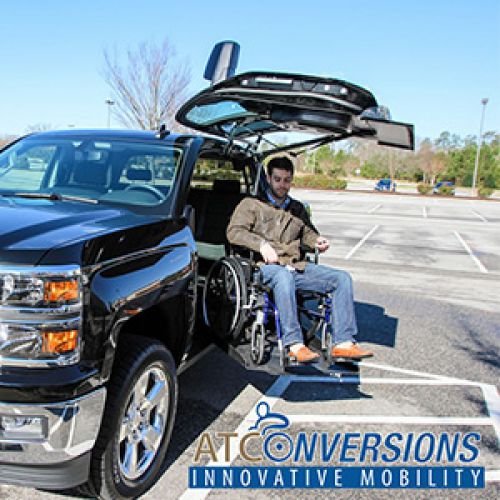
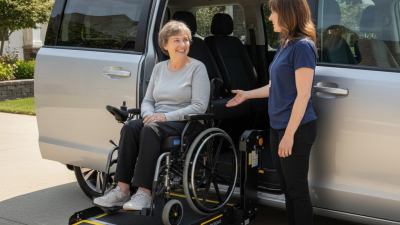
Vans With Wheelchair Lifts are modified vehicles designed to make daily travel safer and more practical for wheelchair users. A powered platform lift lowers from the side or rear, allowing a passenger to enter without leaving the chair. Inside, tie-downs secure the wheelchair, while seat belts protect the occupant during movement. The experience can feel very different from using a standard vehicle. A caregiver may press one control, watch the platform descend, and guide the chair across a stable surface.
The need is substantial. The Centers for Disease Control and Prevention reports that about one in four U.S. adults has a disability. Its Disability and Health Data System also identifies mobility limitations as a significant concern. The U.S. Bureau of Transportation Statistics’ National Household Travel Survey estimated that 25.5 million adults had travel-limiting disabilities. These figures show why accessible transportation is not a luxury. It is part of independent living.
Choosing the right van requires more than checking the lift’s weight rating. Buyers should consider wheelchair dimensions, doorway height, ramp angle, interior turning space, battery capacity, and emergency operation. NMEDA guidance emphasizes professional conversion practices, proper restraint systems, and qualified installation. Still, no vehicle removes every travel barrier. Weather, uneven pavement, parking space, and maintenance can affect real-world access. That detail is easy to overlook. This guide explains how these vans work, which lift designs exist, and what practical checks support a safer purchase. It also recognizes an uncomfortable point: the most expensive option is not always the most suitable one.

Definition and Purpose of Vans With Wheelchair Lifts
What Are Vans With Wheelchair Lifts?
Definition and Purpose of Vans With Wheelchair Lifts
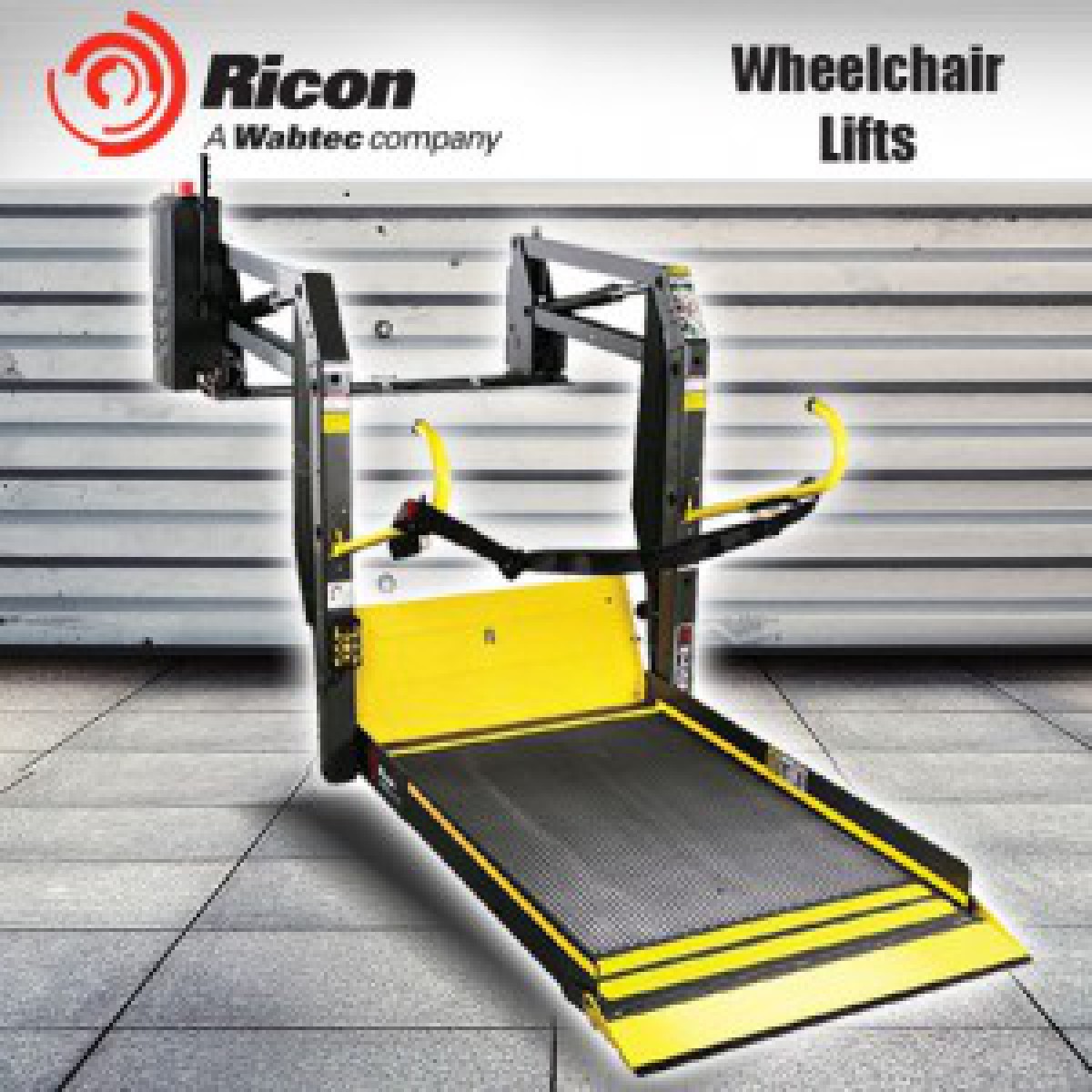
Vans with wheelchair lifts are vehicles modified to transport wheelchair users safely and comfortably. A powered lift uses a platform to raise a person and wheelchair from ground level into the cabin. Some lifts operate through a side door, while others use the rear entrance. The van usually includes wheelchair securement straps and passenger restraints. These features help reduce movement during travel.
The purpose is practical. A wheelchair lift can replace difficult transfers, steep manual ramps, or unsafe lifting by caregivers. It may support daily trips to work, medical appointments, school, or community activities. Interior space also matters. The chair should fit without blocking the driver’s view or emergency access. Doors need enough clearance, and the lift should support the wheelchair’s combined weight with its occupant.
In practice, comfort depends on more than the lift itself. Floor height, turning space, seat position, and weather protection can change the experience. Small details matter. A vehicle may look accessible but still feel cramped during entry. Not every van suits every wheelchair. Professional measurements and an inspection can prevent costly mistakes. Users should test the lift, restraints, and controls before regular travel. Maintenance is also essential, although it is easy to overlook when the equipment works normally. A trained technician can identify worn straps, unusual sounds, or uneven platform movement before they become serious concerns.
Common Types and Configurations of Wheelchair Lift Vans
What Are Vans With Wheelchair Lifts?
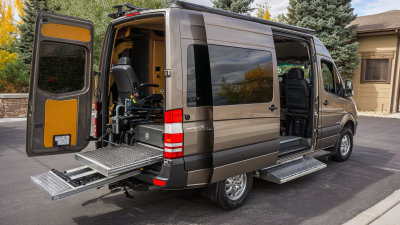
Wheelchair lift vans are modified vehicles that help passengers enter safely while seated in a wheelchair. Their layouts differ by lift position, wheelchair capacity, and interior space. A rear-entry configuration places the platform at the back doors. It usually provides a wider loading path and may support a longer wheelchair ramp. This design can work well for families using driveways or accessible parking spaces.
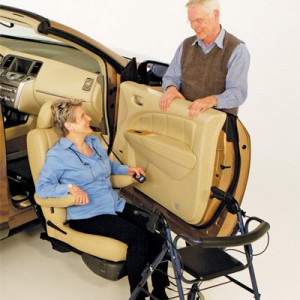
A side-entry configuration installs the lift beside the front or rear passenger door. It often allows easier curbside loading and gives wheelchair users access to the front seating area. However, the lift may reduce interior space or require wider parking clearance. Some vans use a platform lift, which rises vertically and feels stable during transfer. Others use a ramp system, which can be simpler but needs enough ground space. Tie-down points, headroom, door width, and floor height deserve careful measurement. Real-world fit can expose assumptions. A wheelchair may fit on paper, yet feel cramped beside another passenger.
Tips: Measure the wheelchair with its footrests attached. Check the turning radius inside the van. Test the lift with the actual user and caregiver. Ask a qualified mobility technician to inspect mounting points, restraints, and electrical operation. Small details matter. A quiet lift is not always a suitable lift. Configuration should match daily routines, not just the vehicle’s appearance.
Key Accessibility and Safety Features
What Are Vans With Wheelchair Lifts?
Key Accessibility and Safety Features
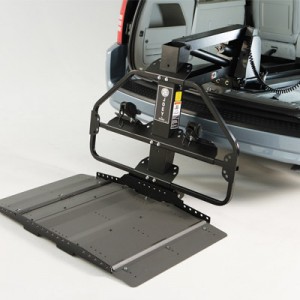
Vans with wheelchair lifts use a powered platform to move a wheelchair between the ground and cabin floor. The platform should have a non-slip surface, raised edges, and enough room for controlled entry. Small details matter. Bright platform lighting helps during evening loading, while clear controls reduce confusion. A low step height and wide doorway can make transfers easier for many passengers.
Safety depends on more than the lift itself. Securement straps should hold the wheelchair firmly without damaging its wheels. A separate occupant restraint helps protect the passenger during sudden braking. Door sensors, platform interlocks, handrails, and warning signals can prevent movement at unsafe times. Backup controls are also valuable if the main power system fails. Test it slowly. Listen for unusual sounds.
In daily use, the best arrangement is the one that fits the passenger, chair, and driver together. A lift may support a heavy chair but still leave limited headroom inside. A steep driveway can also change how comfortable the platform feels. I would measure the doorway, turning space, and chair dimensions before choosing a conversion. Professional installation and scheduled inspections help detect loose bolts, worn straps, or hydraulic leaks. Still, specifications are not enough. A supervised trial with the actual wheelchair may reveal awkward angles or difficult controls that a brochure misses.
What Are Vans With Wheelchair Lifts?
Wheelchair-accessible vans use powered or manual lifts to help passengers enter and exit while remaining seated in a wheelchair. The chart shows the minimum clear platform dimensions specified for many accessible vehicle lifts under U.S. federal accessibility requirements.
Key Accessibility and Safety Features
A compliant lift platform should provide at least 30 inches of clear width and 40 inches of clear length. Federal vehicle accessibility requirements also specify a 600-pound design load. Important safety features include a non-slip platform surface, handrails, raised edges or roll stops, visible controls, wheelchair restraint systems, and interlocks that prevent unsafe movement while the lift is deployed.
Reference: U.S. Department of Transportation, 49 CFR § 38.23 — Mobility aid accessibility.
Selecting, Using, and Maintaining a Wheelchair Lift Van
What Are Vans With Wheelchair Lifts?
Selecting, Using, and Maintaining a Wheelchair Lift Van
A wheelchair lift van combines accessible vehicle space with a powered platform. The right choice starts with the passenger, chair, and daily route. The World Health Organization’s 2022 Global Report on Health Equity for Persons with Disabilities estimates that 1.3 billion people experience significant disability worldwide. That scale makes practical access planning important, not cosmetic.
Measure the occupied wheelchair, including cushions, footrests, and medical equipment. Check platform width, door clearance, lift capacity, interior headroom, and turning space. A lift rated for the chair alone may be inadequate. Include the passenger’s weight. Test entry on a level surface before purchase. It can feel different in rain, darkness, or a crowded parking lot. The U.S. Department of Transportation’s 2022 National Household Travel Survey also identifies transportation access as a continuing barrier for many disabled travelers.
During use, park fully, apply the brake, and keep the platform clear. Follow the lift’s loading direction and use the recommended four-point securement system. The passenger should use the vehicle’s occupant restraint, not only the wheelchair straps. Never exceed the listed capacity. Small shortcuts become serious risks.
Maintenance needs a written log. Inspect straps, anchor points, platform edges, wiring, warning lights, and hydraulic components before regular travel. Remove dirt from hinges and tracks, but avoid unapproved lubricants. Arrange qualified inspections at the interval stated in the service manual. A weekly function test is sensible, though it may not reveal hidden corrosion. That is where my confidence should stop. A trained technician must investigate unusual noise, uneven movement, fluid leaks, or a lift that stops mid-cycle.