2026 How to Choose the Best Wheelchair Accessible Van for Your Needs?
Choosing the right Wheelchair Accessible Van is vital for enhancing mobility. Millions of Americans rely on accessible vehicles for everyday activities. The demand for these vans has increased significantly, with a projected growth rate of 7.5% over the next few years, according to recent industry reports.
When selecting a Wheelchair Accessible Van, you must consider key features. Accessibility, size, and budget play crucial roles in meeting individual needs. A poorly chosen van can lead to frustration. It may not provide adequate space or the necessary modifications to ensure comfort and safety.
Understanding your needs is essential. Conducting thorough research is not just beneficial; it's necessary. Many buyers overlook critical aspects, leading to regret later. Investing in the right wheelchair accessible van is not merely about function; it's also a step toward independence.
Understanding Your Mobility Requirements for a Wheelchair Accessible Van
When selecting a wheelchair accessible van, understanding your mobility requirements is essential. The National Mobility Equipment Dealers Association (NMEDA) states that nearly 2.7 million people currently use wheelchairs in the United States. Each individual's needs vary greatly. Some may require a power wheelchair, while others may prefer a manual one. This difference significantly impacts the type of van suitable for them.
Consider the dimensions of both the wheelchair and the user’s physical ability. For instance, a standard van might be inadequate if the wheelchair is larger or if the person seated requires more space. According to the U.S. Census Bureau, nearly 48% of those with disabilities report mobility limitations. Features like ramp width, door height, and interior space can make a substantial difference in comfort and usability.
Customization remains a key aspect. While some prefer vans equipped with automated ramps, others may need hand controls for better steering and acceleration. Reports indicate that about 22% of users find pre-configured options lacking. Be aware that user habits, such as the frequency of use and travel distance, could reveal needs you might initially underestimate. Each factor plays a role in creating a supportive driving experience.
2026 Wheelchair Accessible Van Features Comparison
This chart represents the average features of wheelchair accessible vans available in 2026. The data includes important metrics such as space, weight capacity, cost, fuel efficiency, and warranty period, which are critical for selecting a van that meets individual mobility needs.
Key Features to Look for in Wheelchair Accessible Vans
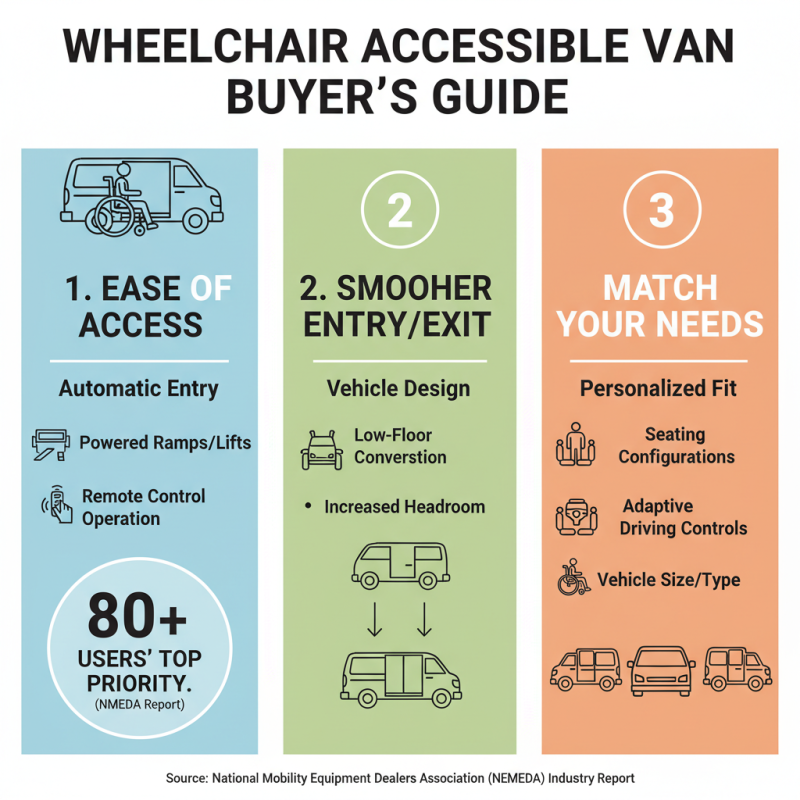
When selecting a wheelchair accessible van, it's essential to consider key features that match your needs. According to a recent industry report by the National Mobility Equipment Dealers Association, over 80% of users prioritize ease of access. This includes features like automatic ramps or lifts, which significantly enhance convenience. Many vans now offer a low-floor design, which lowers the height, making entry and exit smoother.
Another critical aspect is interior space. Research shows that adequate headroom and legroom can improve comfort for passengers. Look for models that provide adjustable seating arrangements. This flexibility allows for various configurations depending on your group size and needs. Systems for securing wheelchairs should also be robust and user-friendly, ensuring maximum safety during transit.
Customizability remains a point of reflection. Some users may find off-the-shelf options lacking in their specific needs. It often leads to a frustrating experience if the van doesn’t fit lifestyle requirements. Upgrading features post-purchase can cost significantly more than expected. Aim for a balance between available features and possible customizations. Each choice impacts overall usability and satisfaction.
Assessing Different Types of Wheelchair Accessible Van Conversions
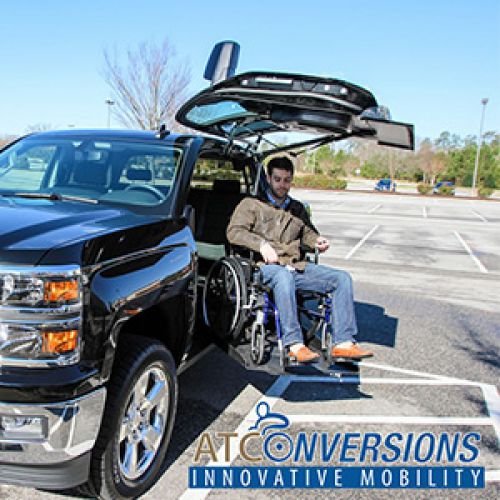
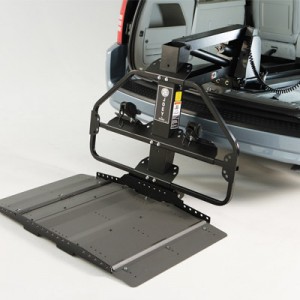
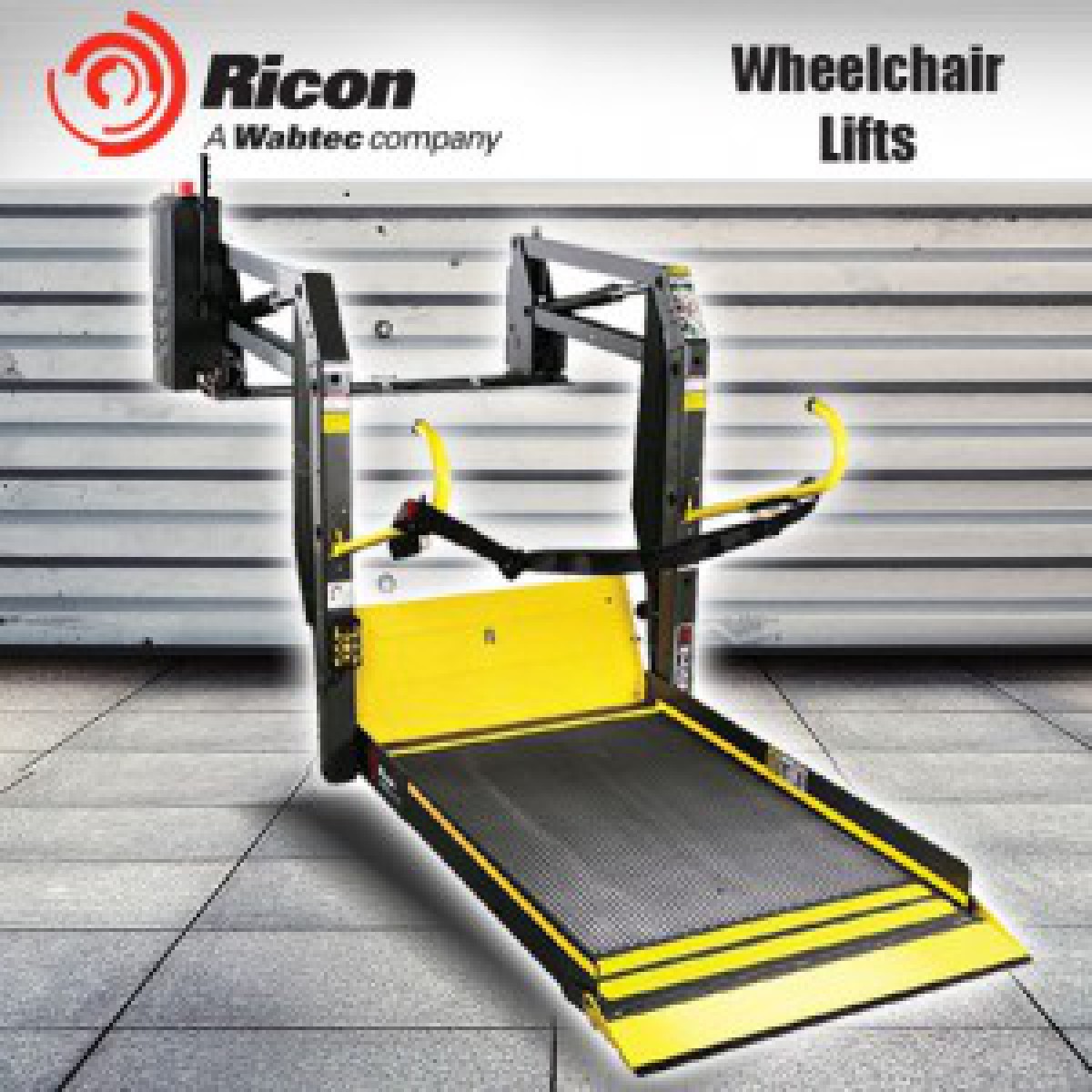
When choosing a wheelchair accessible van, understanding the different types of conversions is crucial. Some vans have ramp systems that fold out. Others feature lift systems for easier access. Each conversion type has its pros and cons. Ramps are often more user-friendly, but lifts can handle heavier wheelchairs.
Consider the design and layout of the van. A lower floor can provide more headroom, making entry and exit smoother. If you travel with a caregiver or family, space matters. Some designs allow for more passenger seating, which is a plus. Evaluate your daily travel needs. Do you need to transport multiple individuals? Or is this mainly for solo trips?
Take time to test the conversions. An accessible van should feel comfortable and safe. Driving positions vary greatly between models. When possible, try out different options to see which suits you best. Recognize that your preferences might change. It's okay to reassess your needs as circumstances evolve. The right choice today may not be the right choice tomorrow.
Budget Considerations When Choosing a Wheelchair Accessible Van
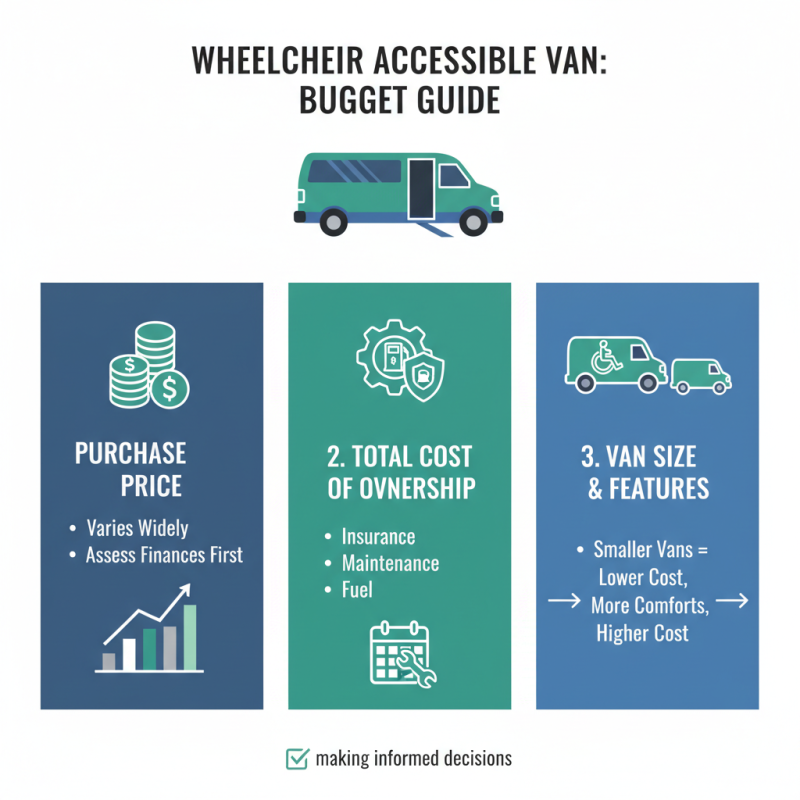
When selecting a wheelchair accessible van, budget is key. Prices can vary greatly, making it crucial to assess your financial situation beforehand. Consider the total cost of ownership. This includes insurance, maintenance, and fuel. Smaller, more affordable vans may offer basic features but might lack essential comforts.
Be wary of hidden costs. Some dealers may not disclose fees up front. Research additional expenses like modifications needed for specific needs. Factor in potential financing options or grants. These can ease the financial burden, but not all options are suitable for everyone.
Think about long-term expenses, not just the initial price tag. A seemingly cheap van with poor fuel efficiency can become pricey over time. Balance your immediate financial constraints with future needs. Be honest about your priorities. This will guide you to the right choice, avoiding impulse decisions.
Evaluating the Reliability and Maintenance of Wheelchair Accessible Vans
When selecting a wheelchair accessible van, reliability is crucial. Many reports indicate that reliable vans have lower maintenance costs. A survey by the National Mobility Equipment Dealers Association states that 60% of wheelchair users report their vehicles often require minimal repairs in the first three years. This can be a game changer for users who need dependable transportation.
Maintenance can be complex. Regular checks on the ramp and tie-downs are essential. Over time, wear and tear can lead to significant costs. Research shows that about 30% of users experience issues with conversion equipment within five years. Being aware of these statistics helps in planning for the future. Opting for models with a solid warranty can alleviate concerns.
Evaluating the maintenance history of a van is crucial. Past damage may not be visible at first glance. Ensure that routine service records are accessible. Engaging a trusted mechanic for a pre-purchase inspection may uncover hidden problems. Ignoring these steps could lead to unexpected expenses later.