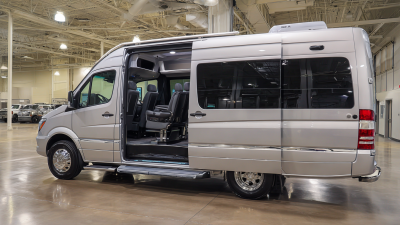
What Is the Best Type of Handicap Van in 2026?
Choosing the best Handicap Van in 2026 is less about finding one “top” model and more about matching a vehicle to real routines. A wheelchair user who drives from their chair needs different access than someone who transfers into a passenger seat. So does a family loading a chair, bags, and a service dog. Small details matter: ramp angle, doorway width, headroom, and where a passenger sits.
The need is significant. The U.S. Centers for Disease Control and Prevention reports that about one in four U.S. adults has a disability. The Bureau of Transportation Statistics’ 2022 report, Transportation Experiences of People with Disabilities, cites an estimate of 25.5 million Americans with travel-limiting disabilities, based on 2017 National Household Travel Survey data. These figures describe broad populations, not van buyers alone. Still, they show why accessible transportation deserves careful consideration.
This guide compares common choices, including side-entry and rear-entry vans, lowered-floor conversions, and vehicles with ramps or lifts. It will consider wheelchair position, independent entry, passenger capacity, parking space, and ongoing maintenance. A wider ramp may feel easier at home but prove awkward in a tight garage. That sounds obvious. It is not always. There is no single best setup for every household, and a spec sheet cannot replace an in-person fit check. Before choosing, buyers should confirm dimensions with their mobility device and discuss fit, installation, and service with qualified mobility-vehicle professionals.
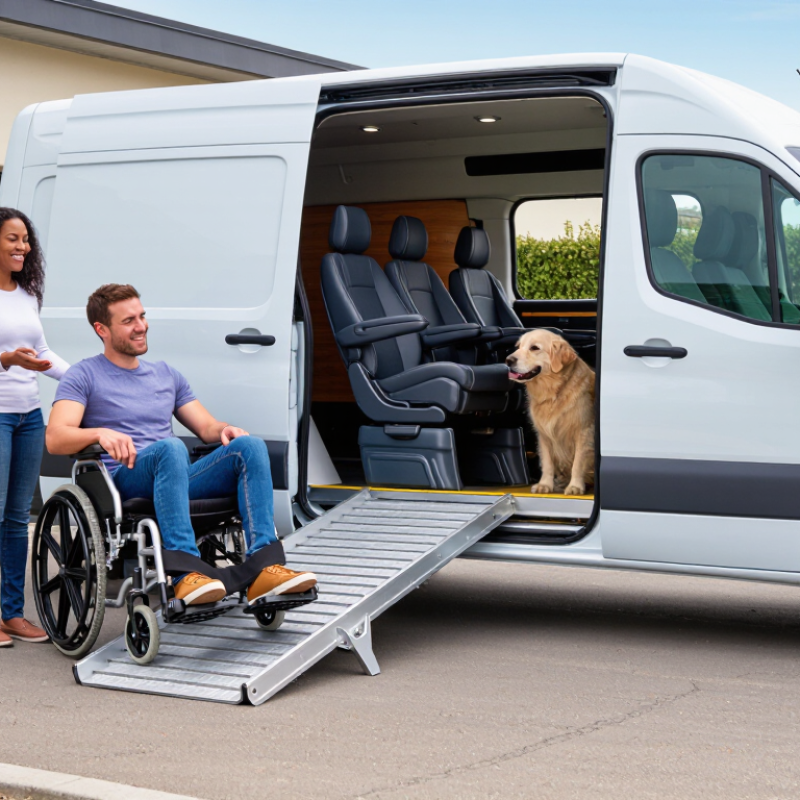
What Defines a Handicap Van and Its Main Conversion Types
A handicap van is a vehicle modified to help a person who uses a wheelchair or has limited mobility enter, ride, and exit more safely. Typical changes include a ramp or lift, extra interior clearance, securement points, and suitable seating. The right setup depends on the person’s wheelchair dimensions, transfer ability, and daily travel—not just the vehicle’s size. Small details matter. Door width and ramp angle can affect whether entry feels manageable at home or in a crowded parking area.
The main conversion types are side-entry and rear-entry. Side-entry models often allow a wheelchair user to sit near the driver or front passenger, and may support transfers into a vehicle seat. They can need more space beside the van for ramp deployment. Rear-entry models use a ramp at the back, which can work well in tighter side-parking spaces, though wheelchair seating is often farther behind the front row. Neither layout is automatically better. A lowered floor may improve headroom and ramp approach, while a raised roof can add interior height without changing the floor. Before choosing, compare the actual chair, turning space, restraint system, and regular parking conditions with a qualified mobility-conversion professional. A showroom fit is useful, but real routines deserve a closer check.
Which Accessibility Features Matter Most in 2026
What Is the Best Type of Handicap Van in 2026?
The best handicap van is the one that fits the passenger, caregiver, and daily route—not simply the one with the longest feature list. For wheelchair users who remain seated during travel, compare entry height, ramp width, ramp angle, and interior turning space. A low ramp can make rainy-day entry easier. So can a clear, unobstructed doorway. People who transfer into a seat may prefer different equipment, such as a swivel seat or grab handles. Needs vary, and they can change over time.
Tips: Measure the wheelchair and the narrowest doorway at home. Test the ramp with the actual chair, if possible. Check that restraints are straightforward to use and that the passenger can reach essential controls. Ask a qualified mobility-vehicle professional to explain installation and maintenance requirements. Small details matter.
Before choosing, sit in the van and practice the whole routine: entry, positioning, securing, and exit. Pay attention to headroom, visibility, and where a caregiver must stand. If the van will carry more than one wheelchair user, test every seating position. It is easy to overfocus on ramp convenience and miss storage or passenger comfort. I would also compare several configurations; the first one that looks right may feel cramped in real use. A careful hands-on assessment is more useful than a feature checklist alone.
What Is the Best Type of Handicap Van in 2026?
Accessibility Features That Matter Most
These 1–5 scores are a practical planning rubric, not survey results or certified rankings. Start with a suitable entry configuration: side-entry layouts can support front-seat transfers, while rear-entry layouts can work well for passengers and preserve side access when parked. Then confirm ramp or lift fit, interior clearance, securement, and seating options with the intended wheelchair and users.
How Passenger Needs and Vehicle Use Shape the Best Choice
What Is the Best Type of Handicap Van in 2026?
The best handicap van depends on who rides in it and how each trip works. A wheelchair user who stays seated during travel may need a side-entry or rear-entry conversion with enough space for securement equipment. Someone who transfers into a vehicle seat may prefer a different layout. A caregiver’s reach matters, too. Small details count.
Think about daily use, not just the vehicle’s capacity. Side-entry designs can make curbside pickup easier and may allow a wheelchair user to sit near other passengers. Rear-entry layouts can suit families who often park in narrow spaces, though loading may require more room behind the van. Measure the wheelchair, doorways, garage height, and regular parking spots. Then test the setup with the actual passenger and caregiver. A brochure cannot show every awkward turn or reach.
Tips: Bring the wheelchair and typical bags to a professional mobility evaluation. Check ramp slope, headroom, seating, and securement access. Consider winter coats and grocery space, too. One trade-off may remain; reassess after a real test drive.
How to Compare Safety, Cost, and Long-Term Practicality
The best handicap van in 2026 depends on how it will be used, not on one “best” design.
A lowered-floor minivan with a ramp may suit daily wheelchair travel, while a full-size van can offer more room for several passengers or larger mobility equipment. Side-entry layouts often preserve access to the front seats. Rear-entry designs may work better in narrow parking spaces, though passengers typically ride farther back. Try the actual entry route before deciding.
Safety deserves more than a checklist. Look for secure wheelchair tie-downs, occupant restraints, clear ramp edges, and enough interior space to maneuver without striking seats or controls. Ask a qualified mobility-vehicle specialist to inspect the conversion and explain how restraints fit your chair. Take a test trip, if possible. A ramp that feels manageable in a showroom may be awkward on a wet driveway or uneven curb.
Compare the full cost, not just the purchase price. Include fuel, insurance, routine maintenance, ramp or lift repairs, and the cost of future modifications. Check whether local service providers can handle the conversion; downtime matters when the van is essential. Also measure your garage, usual parking spaces, and wheelchair dimensions. I would not assume the most spacious option is automatically the most practical. Needs change, and no layout gets every detail right. A careful test drive with the usual passengers can reveal small problems early.