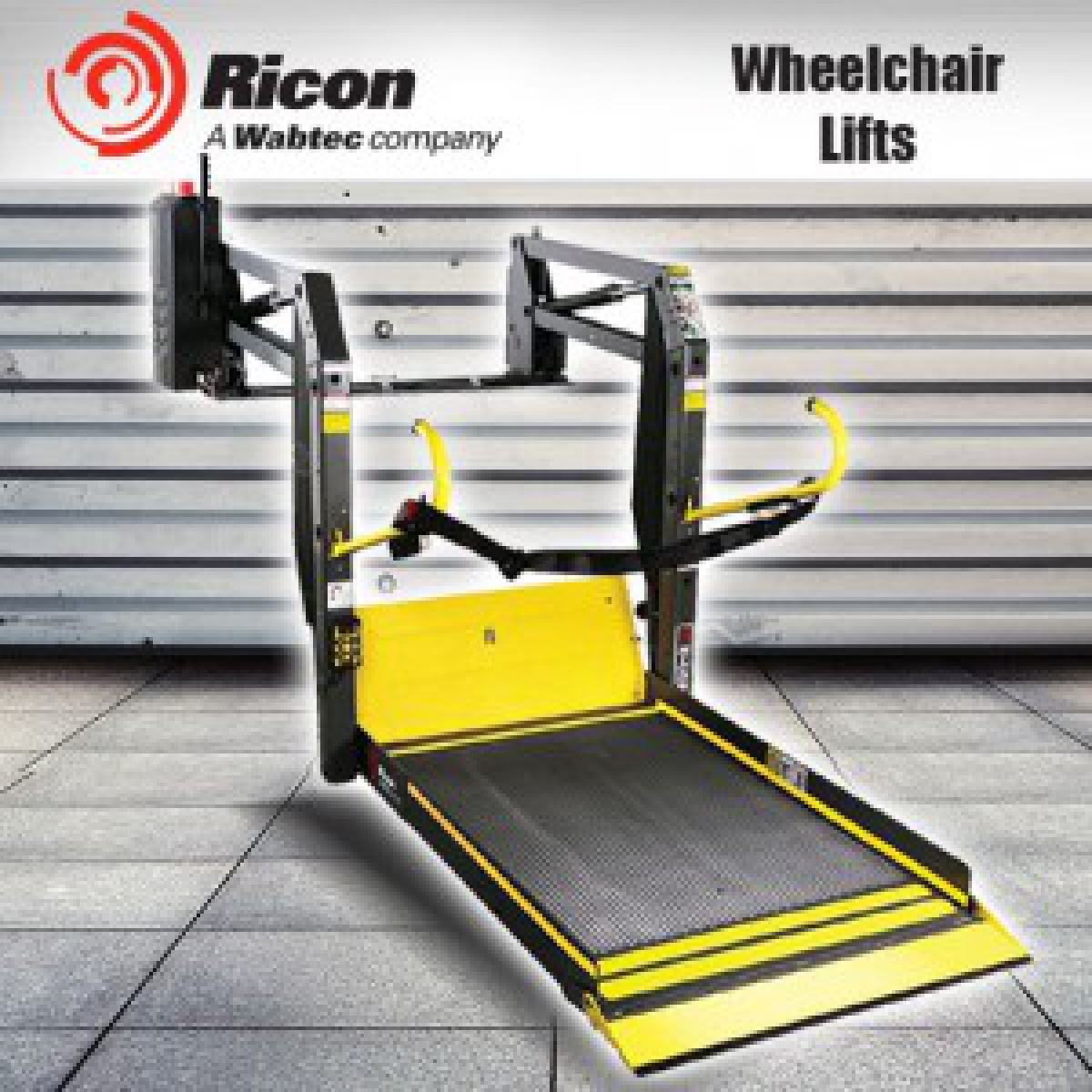
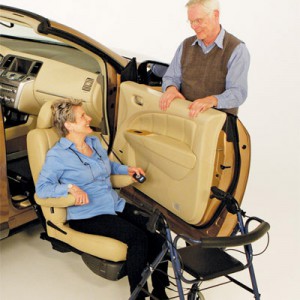
Why Choose Wheelchair Accessible Vans?
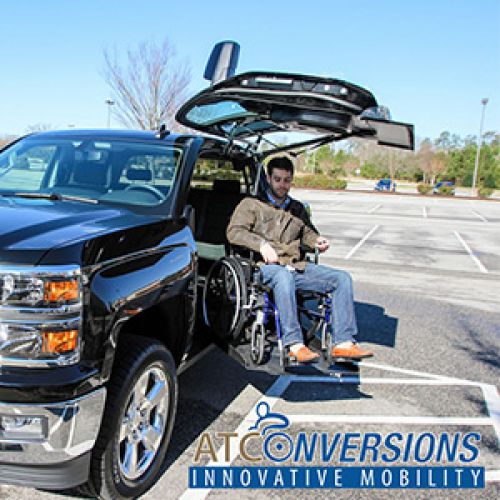
Travel can become complicated when a wheelchair user must transfer into a standard vehicle. A suitable van can reduce that burden and make everyday trips more practical. Wheelchair Accessible Vans may offer features such as a ramp or lift, a lowered floor, and space for a mobility device. The exact setup varies by vehicle, so a feature list alone cannot show whether a van will work for a particular person.
That matters. Entry height, door width, turning space, and seating position can affect comfort and safety. Securement systems also need to match the wheelchair and be used as directed. For example, a ramp that looks convenient in a showroom may feel steep on a sloped driveway. Real-world fit matters more than appearance.
Choosing a van is a personal decision, not simply a matter of buying the largest model. Consider who will drive, who will travel, and how often the vehicle will be used. The right choice may depend on whether the wheelchair user remains seated during travel or transfers to a vehicle seat. Fit comes first. Before making a decision, arrange an assessment or demonstration with a qualified mobility vehicle specialist. Ask about loading, securement, maintenance, and the space needed to park and open the ramp. A careful review can reveal trade-offs that brochures miss. No option suits everyone. This guide explains why accessible vans may be worth considering, while recognizing that needs, budgets, and daily routines differ.
What Defines a Wheelchair-Accessible Van?
What Defines a Wheelchair-Accessible Van?
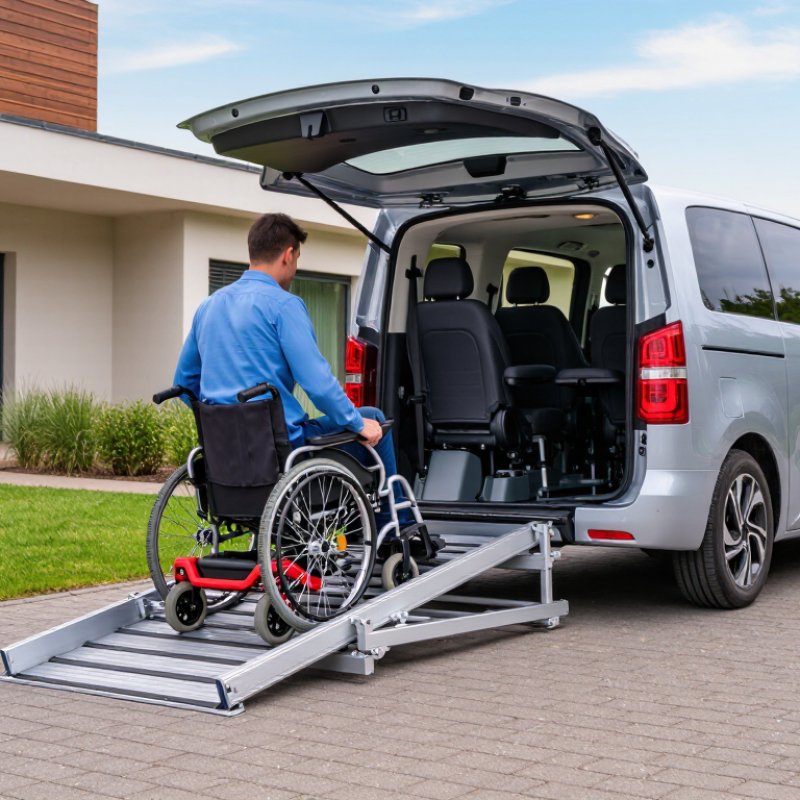
A wheelchair-accessible van is modified so a person can enter, travel, and exit while remaining in a wheelchair, when appropriate. Typical features include a lowered floor, a ramp or lift, added interior clearance, and wheelchair securement points. The exact setup depends on the wheelchair, passenger, and vehicle. Fit matters.
The CDC’s 2022 disability data report estimates that 12.2% of U.S. adults have a mobility disability. That figure helps explain why access needs vary widely; it does not describe van demand. For safe travel, look beyond the ramp. RESNA’s WC19 standard addresses wheelchairs designed for use as vehicle seats, while WC18 covers wheelchair tiedown and occupant-restraint systems. These standards offer useful technical benchmarks, but a van’s layout still needs to suit its actual passenger.
Check the ramp angle, doorway height, turning space, and securement locations in person. A chair may clear the doorway yet leave too little room to maneuver. The passenger should be able to sit comfortably, and restraints should fit as intended. Small details count. No conversion fits everyone perfectly; sometimes the practical choice involves compromise.
How Accessibility Features Support Everyday Travel
A wheelchair-accessible van can make everyday trips feel more manageable, from a grocery run to a visit with family. The difference is often in practical details: a ramp or lift, a lowered floor, and enough interior space to position a wheelchair without awkward turns. That matters.
The U.S. Centers for Disease Control and Prevention reports that about one in seven U.S. adults has a mobility disability. The Bureau of Transportation Statistics’ 2022 report, Travel Patterns of American Adults with Disabilities, estimates that 25.5 million Americans have disabilities that limit travel; 3.6 million do not leave home. These figures show why dependable access inside a vehicle can affect ordinary routines, not just occasional outings.
A ramp’s angle, door clearance, and securement system can shape how easy boarding feels. A caregiver may need room to stand beside the chair; a passenger may need a clear view through the windows. Small things matter. Still, an accessible van is not automatically comfortable for every person. Transfer needs, chair dimensions, and entry height differ, so a real-world fit check is useful. Even a short test drive can reveal a tight turn or an awkward reach before it becomes part of the daily routine.
Why Choose Wheelchair Accessible Vans?
How accessibility features support everyday travel
Mobility disabilities were the most commonly reported type shown. Features such as ramps or lifts, wheelchair securement, and spacious entry areas can help make everyday trips more accessible. These figures describe disability types, not wheelchair use.
Source: CDC Disability and Health Data System, 2019 BRFSS.
Benefits for Independence, Comfort, and Safety
Why Choose Wheelchair Accessible Vans?
Benefits for Independence, Comfort, and Safety
A wheelchair accessible van can make everyday trips feel less complicated. A person may enter and exit without transferring from a wheelchair, depending on the vehicle’s layout and their mobility needs. That can support more independent outings, from a grocery stop to a family visit. It also gives caregivers more room to assist. Small details matter: a clear doorway, steady ramp, and enough space to position the chair comfortably. The difference can be felt on an ordinary Tuesday.
Comfort and safety depend on a suitable fit, not just a spacious interior. Securement systems and occupant restraints should be used as designed, and ramps or lifts need regular inspection. A quiet ride helps, too. Less strain can mean more energy for the destination. Still, no single setup works for everyone. Needs can change, and a vehicle that seemed practical during a short test may feel awkward on a longer trip. It is worth asking a mobility professional to assess access, seating, and loading needs before choosing.
Tips: Test the entry and turning space with the actual wheelchair. Check whether bags block the route or securement points. Practice using the ramp or lift before traveling. Keep a simple maintenance log. And be honest about what feels uncomfortable; convenience should not come at the cost of fit.
Who Can Benefit from a Wheelchair-Accessible Van?
A wheelchair-accessible van can benefit people who remain seated in a wheelchair during everyday travel. This may include wheelchair users with limited balance, pain, fatigue, or difficulty transferring into a standard vehicle. For them, a ramp or lift and securement points can make trips to appointments, work, or family gatherings more manageable. Details matter.
People who assist a wheelchair user may benefit, too. A caregiver can help secure the chair while the passenger stays seated, reducing the need for a difficult transfer. Families may also find outings easier when a child or older relative can travel in a familiar seating position. A folded stroller, grocery bags, or a mobility aid still needs space, so the interior layout should fit real routines.
Some people need accessible transport only temporarily, such as during recovery from surgery or an injury. Others may walk short distances but use a wheelchair for longer trips. A van is not automatically the right fit. Door height, ramp angle, turning space, and securement locations can affect comfort and safety. That distinction is easy to overlook. Before choosing a vehicle, discuss the passenger’s mobility needs with a qualified mobility professional and, when appropriate, their care team.
Key Factors to Consider When Choosing a Van
Choosing a wheelchair-accessible van starts with the person, not the floor plan. Measure the occupied wheelchair, including footrests, hand rims, and head support. Compare those measurements with the doorway, ramp width, interior height, and turning space. A few centimeters can make entry feel controlled or cramped. Measure twice.
Consider how the van will be used on ordinary days. Will the wheelchair user drive, ride as a passenger, or transfer into a vehicle seat? Check whether the ramp deploys safely in the available parking space, and whether a caregiver can assist without twisting or reaching awkwardly. The U.S. Bureau of Transportation Statistics’ analysis of the 2017 National Household Travel Survey estimated that 25.5 million Americans had disabilities that limited travel. Needs vary widely, so that number is context—not a substitute for an individual assessment.
Test the actual chair and securement system in the van before deciding. Ask a qualified mobility-equipment professional to check clearances, tie-down access, and seating position. A catalog dimension can look generous; a sloped driveway or wet hands may change the experience. I would not assume the widest ramp is always the easiest to use. Also consider maintenance, entry height, and who can operate the ramp. Small details matter.