Top Handicap Vans for Sale and Prices
Finding the right Handicap Vans starts with more than comparing asking prices. A low listing may look attractive, but the ramp, lift, or wheelchair securement system can change the real value. So can mileage, service history, conversion age, and the van’s overall condition. The details matter.
This guide introduces popular types of accessible vans for sale and explains what can influence their prices. You’ll see how new and used models differ, why features such as side-entry ramps or lowered floors affect cost, and which questions to ask before arranging a viewing. A clean interior is useful, but it does not prove that the ramp works smoothly or that maintenance is current. Ask for records. Test the equipment, when possible, and check that the layout suits the person who will ride in the van. Needs vary, and a feature that works well for one household may be inconvenient for another.
Prices can also vary by location, seller, and vehicle availability, so treat any advertised figure as a starting point rather than a final estimate. Confirm what is included, including warranties, recent repairs, and delivery fees. An independent inspection may reveal issues that photos miss. This is easy to overlook. The goal is not simply to find the cheapest van, but to compare dependable options with clear costs and practical features. Some listings will be incomplete, and that can make a fair comparison harder. Take your time, note what remains uncertain, and ask for clarification before making a decision.
Define Handicap Vans by Conversion Type, Entry Style, and Mobility Needs
Top Handicap Vans for Sale and Prices
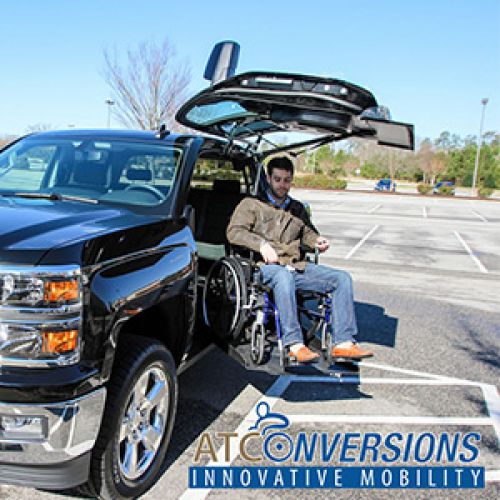
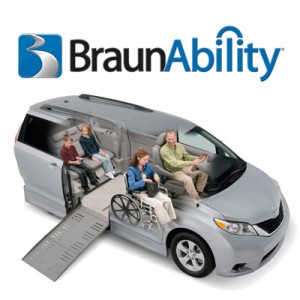
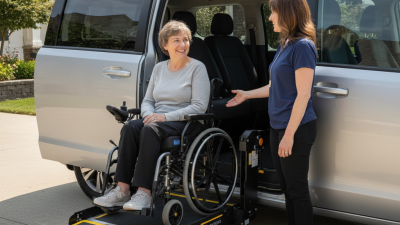
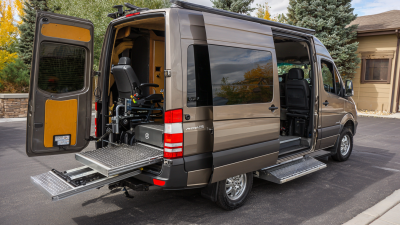
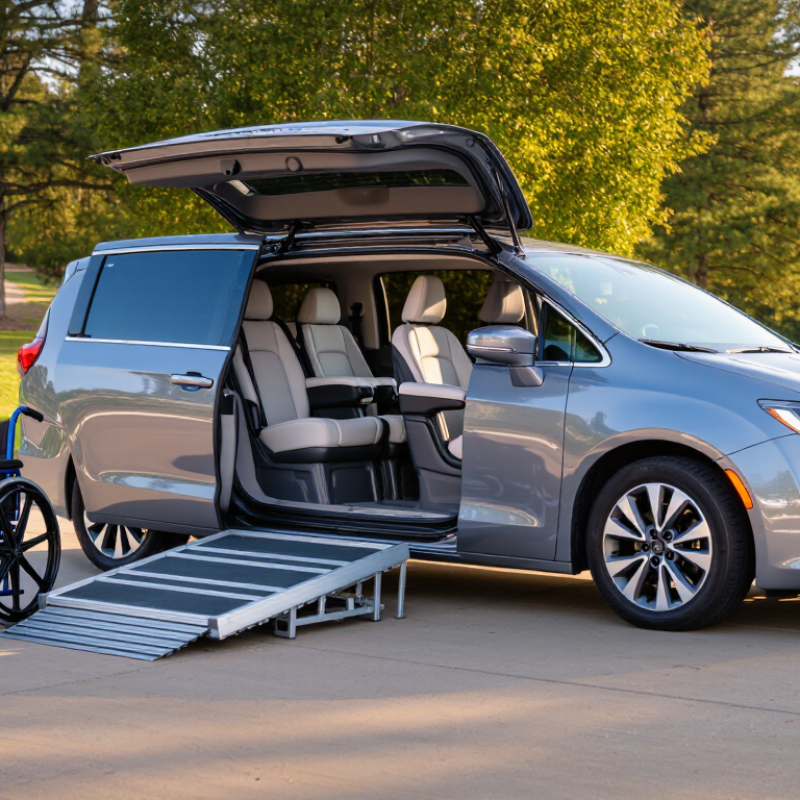
Handicap vans differ by conversion type, entry style, and the space a person needs to move safely. A rear-entry conversion usually places the ramp behind the vehicle, leaving the side doors available for passengers. It can work well for families who park in tight spaces or transport a wheelchair user as a passenger. A side-entry conversion offers access beside the curb and may allow a wheelchair user to sit near the driver. It often needs more room to deploy the ramp. Small detail, big difference.
Entry style is only part of the decision. A lowered floor can provide more headroom, while a raised roof may help taller occupants sit comfortably. Check the wheelchair’s width, turning space, and tie-down position in the actual van. Think about daily trips, caregiver reach, and whether anyone transfers from a seat. These needs affect both comfort and price. Used vans with similar conversions can differ considerably in mileage, ramp condition, maintenance history, and remaining equipment life. A low asking price may mean repairs are due; it may not be a bargain.
Tips: Measure the chair and doorway before shopping. Test the ramp, kneel system, and restraints with the user present when possible. Ask for conversion and service records, then compare the total cost—not just the listed price. A second opinion can help.
Compare Ramp and Lift Safety Under FMVSS 403 and 404
When comparing handicap vans for sale, separate ramp safety from lift certification. FMVSS 403 sets safety requirements for platform lifts, while FMVSS 404 covers platform-lift installation in motor vehicles. These standards do not certify a ramp itself. A seller’s claim of “FMVSS-compliant” should therefore identify the specific lift and installation, not imply that every ramp conversion has been tested under these rules.
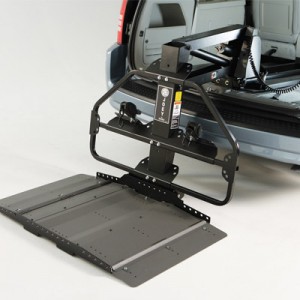
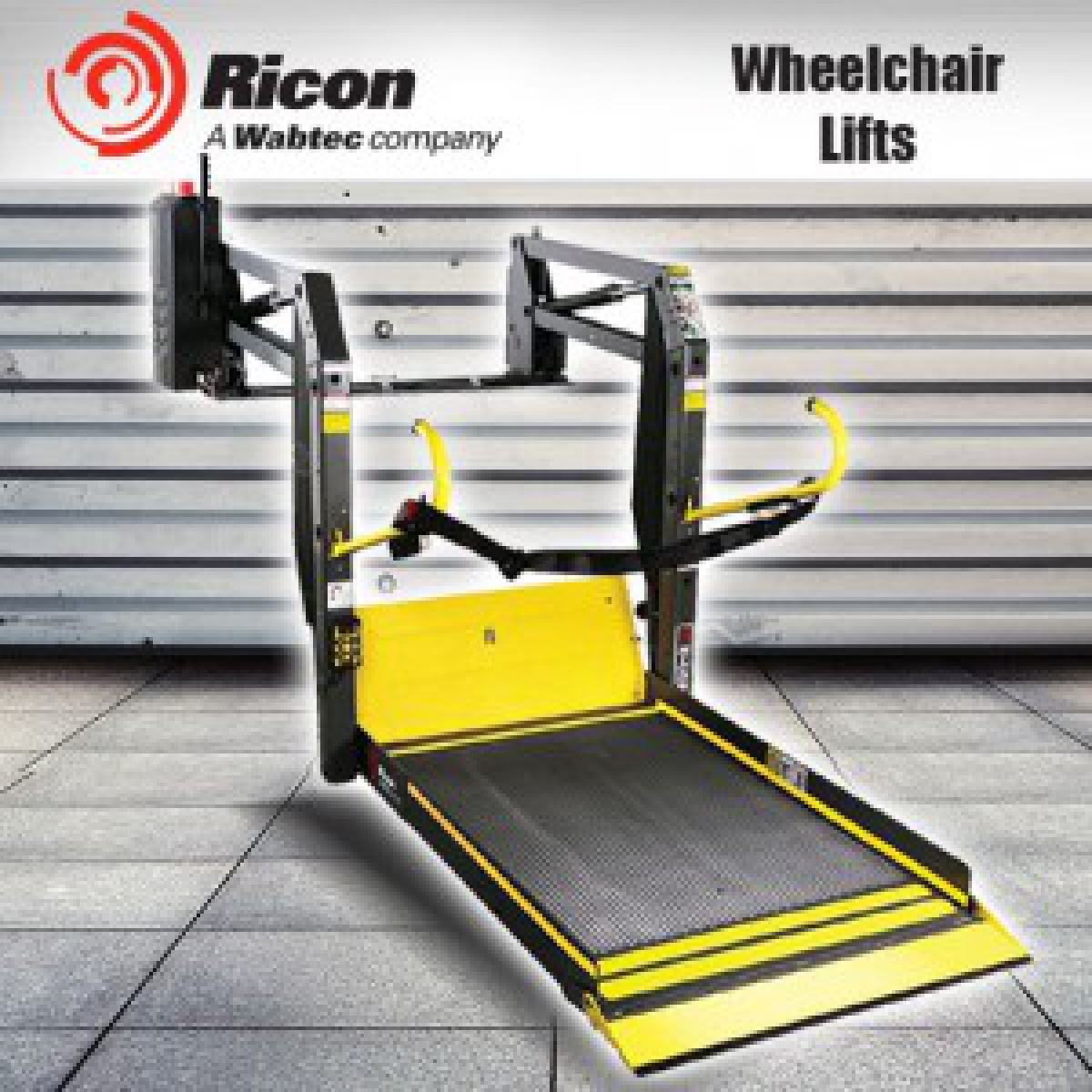
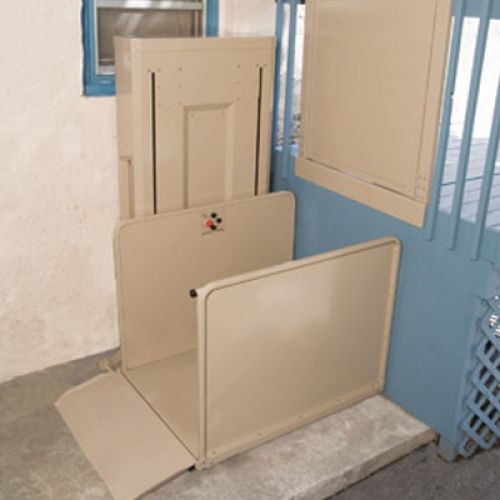
For a lift-equipped van, ask for documentation showing the lift model meets FMVSS 403 and the installation meets FMVSS 404. Check that interlocks work, the platform sits level, and the lift operates smoothly with a realistic wheelchair load.
For a ramp, inspect traction, side edges, ramp angle, and clearance at the doorway. These checks matter in rain, on sloped driveways, and when a caregiver has limited room to stand.
The CDC’s 2018 analysis of Behavioral Risk Factor Surveillance System data estimated that 13.7% of U.S. adults had a mobility disability, underscoring the need for dependable access equipment.
Tips: Test the conversion in person. Ask for service records, verify the lift’s safety labels, and practice loading on level ground before comparing prices. Small details are easy to miss.
Rank Leading Van Models by Interior Space, Seating, and Conversion Options
For interior space, full-size high-roof vans usually rank highest. Their tall cabins make transfers easier and leave room for wider wheelchair positions. Check the usable floor length, not just the listed cargo volume. A ramp, securement tracks, and rear seating can reduce open space quickly. That matters.
Mid-size vans often offer a practical balance of seating and maneuverability. Many conversion layouts keep several passenger seats while adding a side-entry ramp. Ask how many seats remain usable with a wheelchair secured. Then measure the turning area beside the chair. A spacious-looking cabin can feel tight once equipment is installed.
Compact vans may cost less to buy and park, but their conversion choices can be limited. They suit some smaller mobility devices and simpler seating needs. Before comparing prices, request a conversion quote that lists the ramp, lowered floor, restraints, and warranty separately. Prices vary with layout and equipment, so a low starting figure may not reflect the finished vehicle. I would not rank a van by seat count alone; access and securement deserve equal attention. Test the actual setup, if possible.
Compare Typical Prices: Used Vans $20,000–$60,000; New Vans $70,000+
Typical prices offer a useful starting point: used handicap vans often cost $20,000–$60,000, while new models generally start around $70,000. The final price depends on age, mileage, conversion layout, and equipment condition. A lower-priced van may need repairs to its lift, ramp, or wheelchair restraints. That matters. Ask for maintenance records and have the conversion components inspected before paying a deposit.
New vans usually cost more, but buyers can select a layout and accessibility features suited to daily travel. Used vans may offer substantial savings, especially when the conversion is in good condition. Still, compare more than the asking price. Check ramp operation, interior clearance, seat arrangement, and whether the vehicle fits your parking space. Prices vary by region and availability, so treat these ranges as estimates, not guarantees. Small details add up.
Tips: Request a written breakdown of the vehicle and conversion costs. Test the ramp or lift in person, and bring the person who will use it if possible. Compare several listings with similar mileage and layouts. A clean interior is reassuring, but it does not replace a mechanical and accessibility inspection.
Top Handicap Vans for Sale: Typical Price Benchmarks
Typical used-vans range: $20,000–$60,000. New vans typically start at $70,000.
The bars show the low and high ends of the typical used-van range and the starting-price threshold for new vans. Actual prices vary with vehicle condition, age, mileage, and accessibility features.
Check NMEDA QAP Dealers, Vehicle History, and Total Ownership Costs
A low asking price can hide costly gaps, so verify the seller before comparing handicap vans. Use the current NMEDA QAP dealer directory, then call to confirm the location’s participation is still current. Ask who completed the conversion and whether service records, manuals, and warranty terms transfer with the vehicle. Details matter.
Request a vehicle-history report, but do not treat it as a complete inspection. Check title status, reported collisions, odometer entries, and maintenance dates; compare them with invoices and dashboard readings. Test the ramp or lift several times, including its backup controls, and watch for uneven movement or unusual noise. Inspect floor anchoring, restraints, door clearance, and lowered-floor seams for signs of water damage. A quiet test drive may miss problems.
Estimate total ownership costs beyond the sale price: financing, insurance, fuel, routine servicing, and adaptive-equipment repairs. Ask for written estimates on lift servicing and replacement parts, and check what any remaining warranty excludes. An independent inspection by a mechanic familiar with accessible vehicles can reveal issues a history report cannot. I would leave room for surprises; used conversions are not perfectly predictable.