
China Top Handicap Conversion Vans Suppliers?

Choosing China Top Handicap Conversion Vans Suppliers? The answer depends on more than the quoted vehicle price. Buyers must compare access design, conversion quality, documentation, and after-sales support. The World Health Organization’s 2022 Global Report on Health Equity for Persons with Disabilities estimates that 1.3 billion people, or about 16% of the global population, experience significant disability. This is important context, not a forecast of van sales. In the United States, the CDC’s 2022 Behavioral Risk Factor Surveillance System found that 28.7% of adults reported a disability. The figures use different populations and methods, so they should not be treated as directly comparable.

“Every person has the right to the highest attainable standard of health,” said WHO Director-General Dr. Tedros Adhanom Ghebreyesus. His statement is not about vehicle specifications, but it underlines why access should be assessed as a real user need, not a brochure feature. Details matter. Can a wheelchair user enter without awkward repositioning? Are the ramp, restraint system, and controls suited to the intended passenger?

This guide examines Chinese suppliers through practical checks: conversion options, quality records, export documentation, spare-parts availability, and communication after delivery. A low price can look convincing on paper. Less convincing is a supplier that cannot clearly explain its testing or service process. The comparison will not be perfect; configurations vary, and public supplier data can be thin. Readers should verify claims directly and match every vehicle to the passenger’s needs.
China Top Handicap Conversion Vans Suppliers?

What Handicap Conversion Vans Are and How They Work

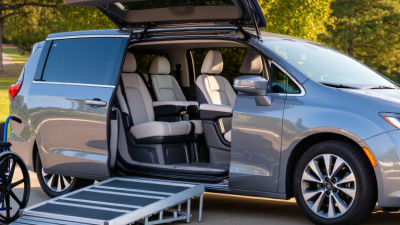
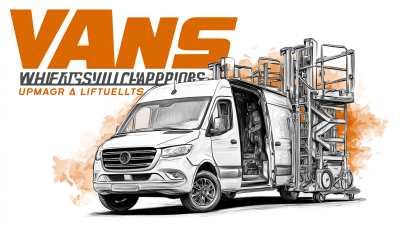
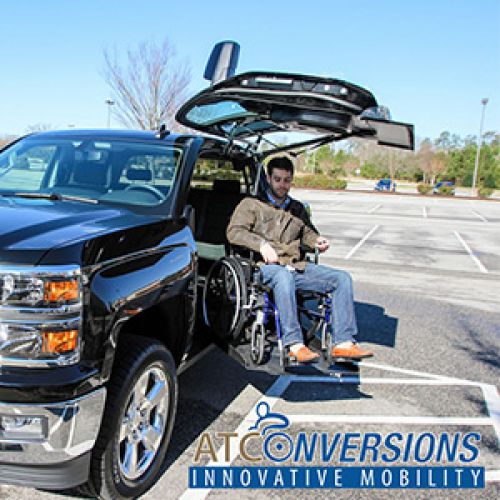
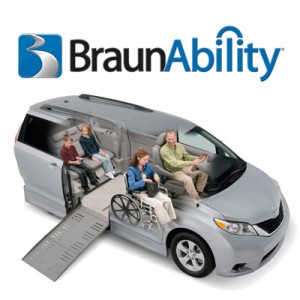
A handicap conversion van is a passenger van modified to make travel easier for someone who uses a wheelchair or has limited mobility. Common changes include a lowered floor, a wider side entry, and a ramp or powered lift. The goal is practical access, not simply more interior space. That matters. A wheelchair must fit through the doorway and move safely inside.

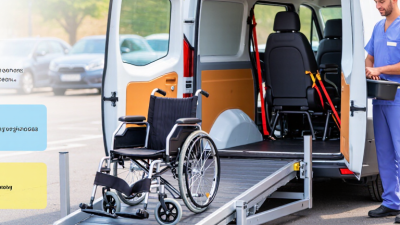
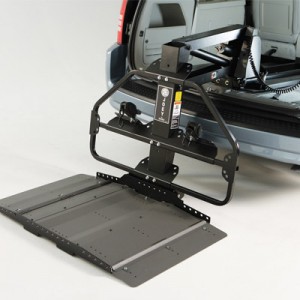
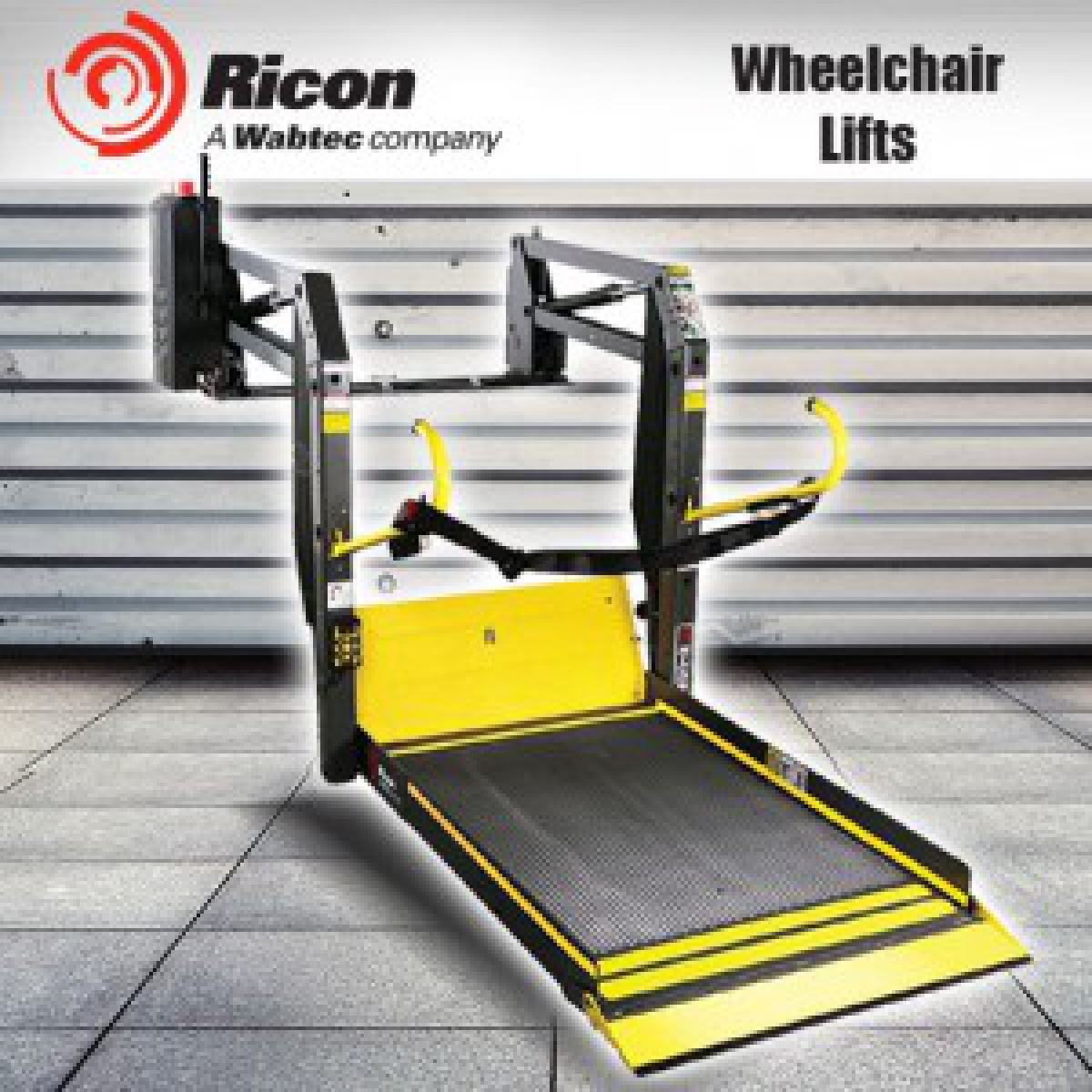
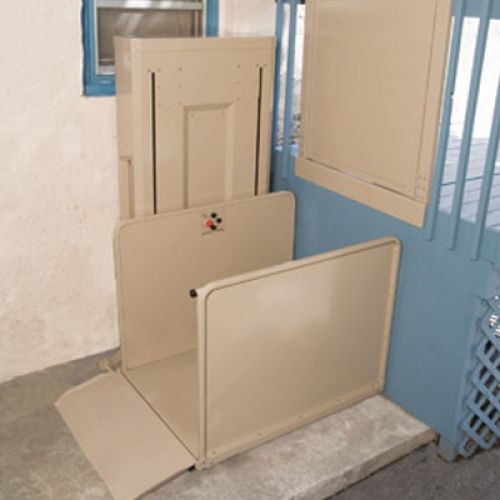
A ramp creates a sloped path into the van, while a lift raises a passenger and wheelchair to floor level. Inside, the chair is positioned in a designated travel area and secured with restraint systems. Seat belts are used as directed for the passenger. Clear controls and unobstructed space help caregivers assist without awkward reaching. Small details count.

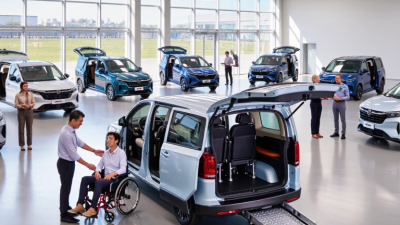
The right setup depends on the wheelchair’s dimensions, the passenger’s transfer needs, and who will drive. A lowered floor may improve headroom, but it can affect ground clearance. A neat specification sheet cannot capture every awkward driveway. Before choosing a conversion, ask a qualified supplier to check measurements and explain how entry, securement, and routine maintenance work. A real demonstration is useful; needs can change, too.

Types of Accessibility Modifications Offered by Chinese Suppliers

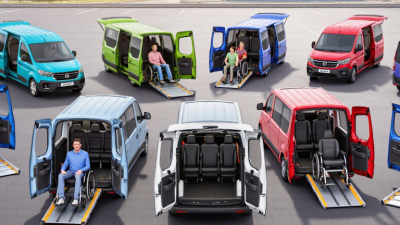
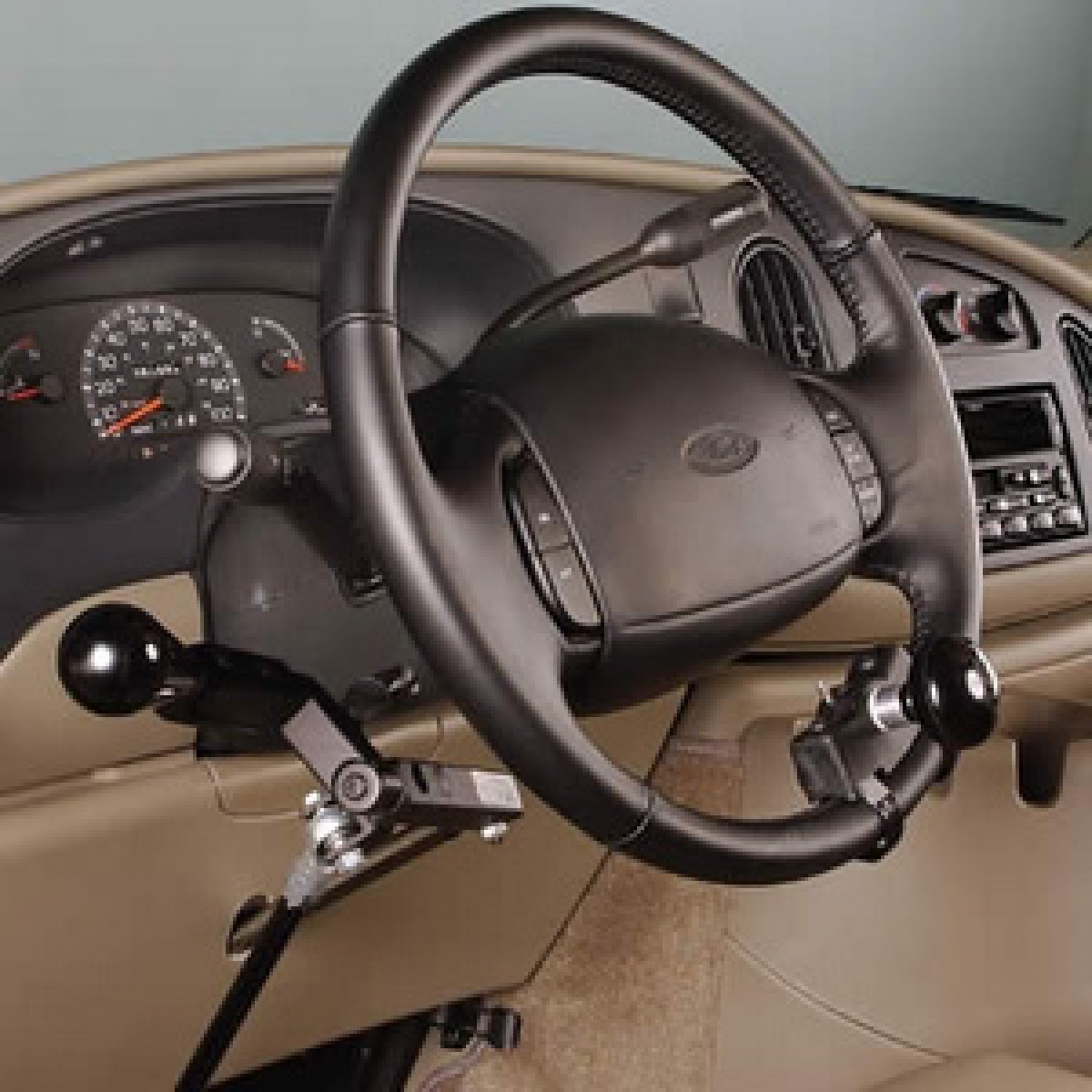
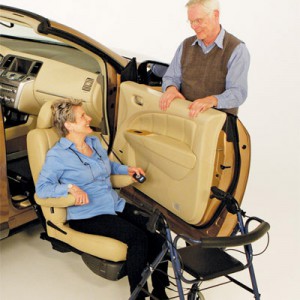
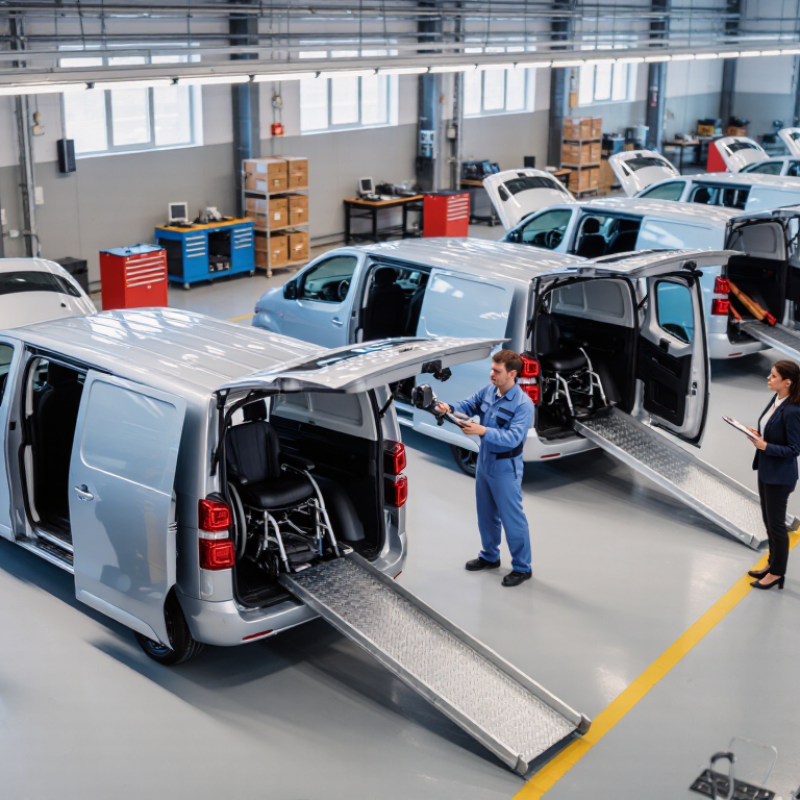
Chinese suppliers offer several modification types, but the right package depends on the passenger’s mobility and transfer needs. Common options include rear or side-entry ramps, lowered floors, wider door openings, and powered lifts. Some conversions add kneeling suspension, grab handles, transfer seats, or hand controls. Fit matters.

The World Health Organization’s 2022 Global Report on Health Equity for Persons with Disabilities estimates that 1.3 billion people, or 16% of the global population, experience significant disability. This figure is not a vehicle-demand estimate, but it highlights why adaptable transport matters.

For wheelchair users, suppliers may also install securement systems designed around ISO 10542-1, which addresses wheelchair tie-downs and occupant restraints in road vehicles.

Ask suppliers for clear measurements: ramp width and angle, doorway clearance, interior height, and securement-point placement. A ramp that looks generous in a brochure may feel steep with a heavy chair or wet tires.

One awkward detail is often overlooked: the passenger’s transfer routine can matter as much as the equipment list. Request drawings and test access with the actual wheelchair where possible. Specifications help, but they do not prove an easy fit.

Key Chinese Handicap Conversion Van Suppliers and Their Specialties

China’s handicap-conversion van suppliers are best compared by capability, not a simple ranking. The China Association of Automobile Manufacturers reported 30.16 million vehicles produced in China in 2023. That scale supports broad engineering capacity, but it does not prove accessibility expertise. The World Health Organization’s 2022 Global Report on Assistive Technology estimates that 2.5 billion people need at least one assistive product.

Some suppliers focus on complete-vehicle integration, including lowered floors, wider door openings, ramps, and wheelchair bays. Others specialize in lifts, securement systems, occupant restraints, or driver controls. Interior-adaptation teams may install transfer seats, grab handles, and hand controls. Details matter. Buyers should request load ratings, installation drawings, maintenance guidance, and evidence of road testing.

WHO estimates that nearly one billion people lack access to assistive products, making service and replacement parts important considerations. A Chinese supplier may offer vehicle-platform coordination or export customization, but capability can vary between projects. Ask for written confirmation of vehicle compatibility and after-sales support. A polished brochure is not proof. I would inspect a completed van and test entry with the intended wheelchair before choosing; small layout compromises can become frustrating in daily use.

How to Evaluate Supplier Quality, Safety, and Certifications

China Top Handicap Conversion Vans Suppliers?
How to Evaluate Supplier Quality, Safety, and Certifications

A supplier’s catalog rarely shows how a van behaves on a steep driveway or during repeated ramp cycles. Ask for dated test records, production inspection checklists, and traceability linking each conversion to its vehicle identification number. The World Health Organization’s 2022 Global Report on Health Equity for Persons with Disabilities estimates that 1.3 billion people experience significant disability. That scale makes dependable access equipment more than a sales feature. It is a safety responsibility. Ask who tests wheelchair restraints, ramp capacity, emergency release, and electrical protection. Request the actual procedures and results, not just a polished certificate. Paperwork matters. So does the build.

Check whether the supplier’s quality certificate covers the conversion facility and relevant work, rather than an unrelated office. ISO 9001 can indicate a documented quality system, but it does not certify a van as safe. For U.S.-bound vehicles, confirm how the completed vehicle meets applicable Federal Motor Vehicle Safety Standards, and request supporting documentation. NMEDA’s Quality Assurance Program is another useful reference for auditing mobility-equipment work; it is not a substitute for required vehicle compliance. For other destinations, verify local requirements independently. Inspect a finished vehicle in person when possible: look at ramp edges, exposed wiring, floor fasteners, and restraint anchorage. Ask how defects are recorded and resolved. A supplier may answer well and still miss something; that deserves a second check.

How to Compare Prices, Customization, and After-Sales Support

Comparing China-based handicap conversion van suppliers means comparing delivered value, not just factory prices. Request an itemized quote covering the base vehicle, conversion equipment, testing, packing, freight, duties, and installation. CDC’s 2022 Behavioral Risk Factor Surveillance System data found that 28.7% of U.S. adults had a disability, while 12.1% reported mobility difficulty. These figures highlight the need for careful fit checks, though population data cannot define an individual buyer’s needs.

Compare customization against actual measurements: doorway width, ramp angle, turning space, headroom, and securement locations. Ask for equipment specifications, load ratings, wiring diagrams, and a written inspection checklist. NMEDA’s Quality Assurance Program offers a useful reference for documented procedures and technician training. A low quote can still look attractive. But unclear exclusions may raise the final cost.

Tips: Ask every supplier to quote the same configuration. Compare warranty length, spare-parts availability, response times, and remote troubleshooting. Confirm who handles installation and service in your destination market. Request sample inspection records and clarify how warranty claims are documented. If a specification is vague, get it in writing before paying.

China Top Handicap Conversion Vans Suppliers? - How to Compare Prices, Customization, and After-Sales Support

Supplier comparison guide for wheelchair-accessible van conversions. Price bands below are indicative planning estimates for the conversion only, not supplier quotations; vehicle cost, taxes, shipping, and local compliance work are excluded.

Supplier Profile Typical Conversion Scope Indicative Conversion Price (CNY) Customization Options Typical Build Time After-Sales Support to Confirm Key Checks Before Ordering
Manual-ramp conversion workshop Floor and doorway modification, manual ramp, wheelchair tie-down points, and occupant restraint provisions. About ¥15,000–¥35,000 Ramp width and surface, seating layout, grab handles, interior trim, and wheelchair position. About 2–5 weeks after vehicle and design approval. Written warranty terms, parts availability, adjustment support, and repair procedure. Ask for ramp dimensions, usable entry clearance, load rating, installation documentation, and a completed-vehicle inspection.
Powered-ramp conversion specialist Accessible entry with an electrically operated ramp, controls, safety interlocks, and wheelchair securement provisions. About ¥25,000–¥55,000 Remote or in-cabin controls, manual backup operation, ramp material, seating changes, and optional step or grab handle. About 3–7 weeks, depending on parts and vehicle fit. Coverage for motor and control components, troubleshooting support, service response time, and replacement-part lead times. Request a demonstration of normal and manual operation; check door clearance, ramp angle, drainage, and power-failure procedures.
Lift-system conversion provider Vehicle-mounted wheelchair lift, structural reinforcement where required, controls, and wheelchair restraint provisions. About ¥35,000–¥90,000 Lift location and platform size, control placement, passenger seating, and accessibility equipment package. About 4–10 weeks, subject to lift availability and vehicle modifications. Lift-specific warranty, maintenance schedule, technician availability, and documented emergency-lowering instructions. Verify rated capacity, platform dimensions, stowed clearance, vehicle compatibility, and inspection or registration requirements.
Fleet or export conversion integrator Coordinated vehicle sourcing and conversion, with documentation and logistics support for multi-unit or export orders. Quoted by specification; compare conversion, vehicle, and logistics costs separately. Repeatable layouts, configuration options, export documentation, and batch-order planning. Varies by vehicle sourcing, production schedule, inspection, and shipping plan. Confirm warranty territory, overseas parts supply, remote support, and responsibility for local service. Request an itemized quotation, conversion drawings, delivery milestones, inspection records, and destination-market compliance documents.

Comparison note: Prices and lead times vary with vehicle model, ramp or lift specification, structural work, order quantity, and parts availability. Obtain written quotations and verify applicable vehicle modification, inspection, and registration requirements in the destination market before purchase.